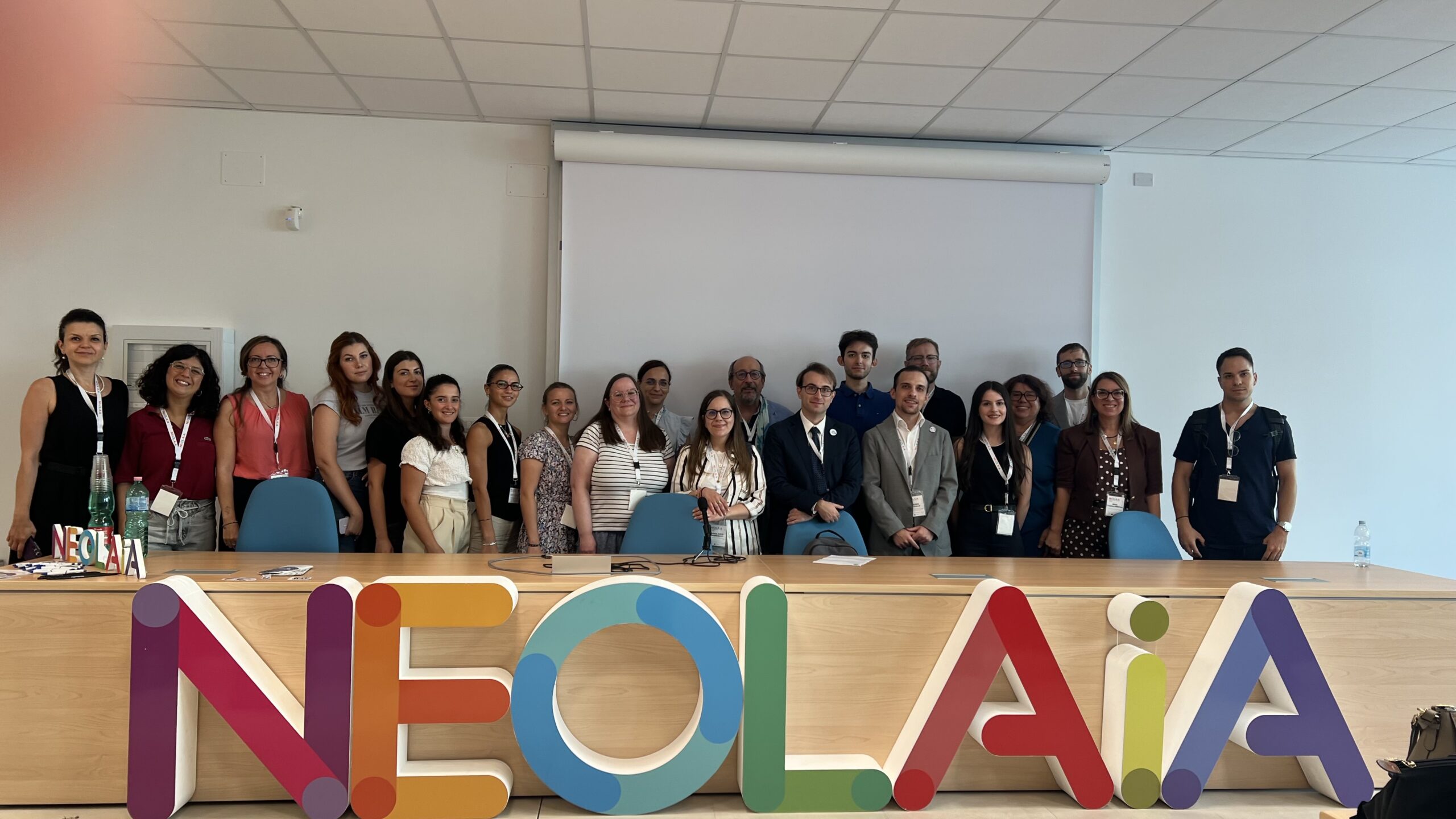
The two-day programme formed part of the activities of NEOLAiA Work Package 8 (WP8).
NEOLAiA partners share their Citizen Science experiences
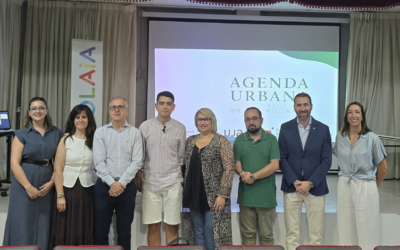
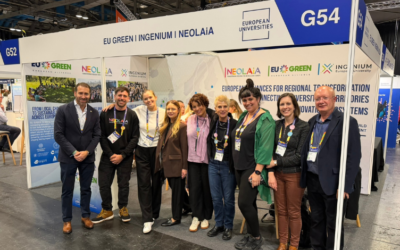
On 16 September, WP8 members met for an internal working session to discuss ongoing activities and plan the next steps. Citizen Science formed an important part of the discussions.
Partners presented initiatives that their universities have already developed or are currently working on. The examples showed different ways of involving citizens and communities in research and knowledge sharing.
Some universities involve citizens in collecting and producing data, while others focus on science communication, digital skills or cultural and environmental heritage. Many of these activities bring universities together with schools, associations, public institutions and other local organisations.
Partners also discussed informal activities that create opportunities for researchers and citizens to meet and exchange ideas. Several examples highlighted how university libraries and other university spaces can support workshops, public events and activities for local communities.
The discussion also raised an important question: how can universities turn individual Citizen Science activities into long-term cooperation with their communities? Partners agreed on the importance of creating regular opportunities for citizens, researchers and universities to work together.
During the day, participants also visited the new Virtual Theatre of the Department of Computer Science at UNISA. The visit introduced them to new ways of using immersive and digital technologies to present and experience content.
NEOLAiA and Open Culture @UNISA
On 17 September, the programme continued with the public event “NEOLAiA and Open Culture @UNISA”, which connected the academic and Wikimedia communities.
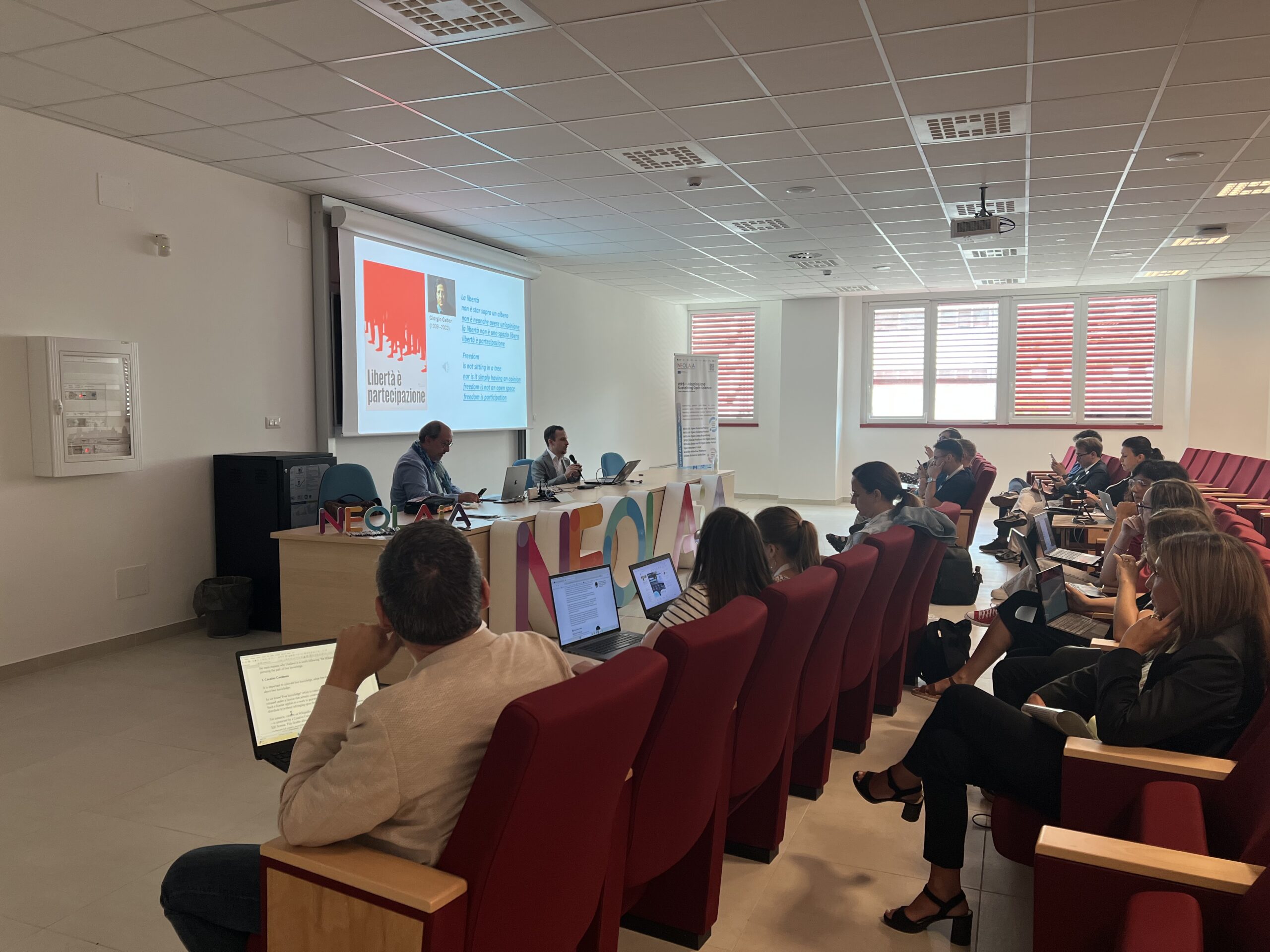
The event focused on Open Culture, Open Science and the use of Wikimedia projects in higher education. Video greetings from Wikimedia France and Wikimedia Czech Republic opened the programme and highlighted the international networks that support free and accessible knowledge.
Experts from Wikimedia Italia, universities and libraries then shared their experience with the participants.
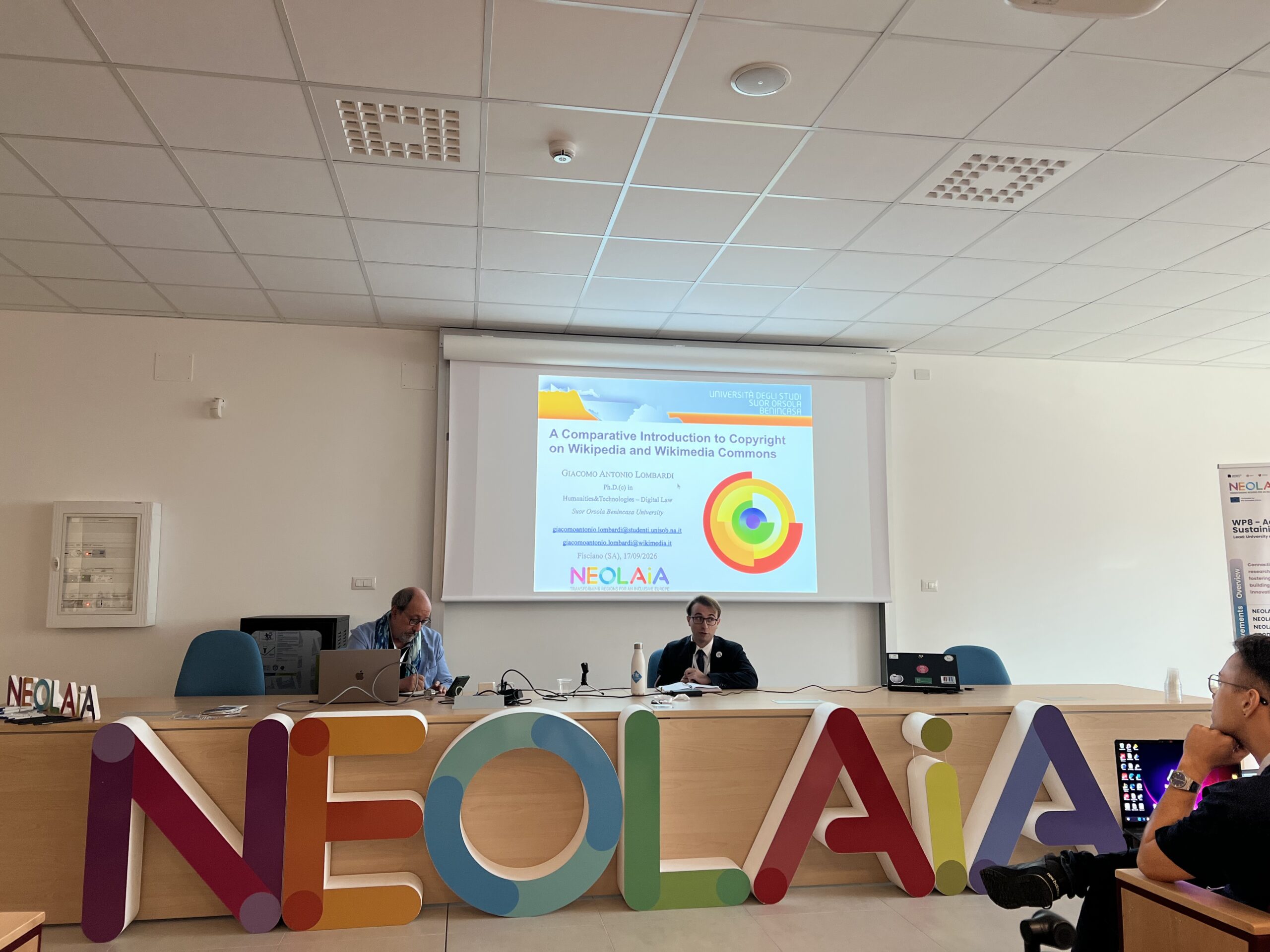
Speakers included Ferdinando Traversa, President of Wikimedia Italia; Giacomo Antonio Lombardi, PhD student in Humanities & Technologies – Digital Law at Suor Orsola Benincasa University of Naples and Wikimedia Italia expert; Andrea La Veglia, Regional Coordinator for Schools and Universities at Wikimedia Italia; Luigi Catalani, Director of the National Library of Potenza, Adjunct Professor at the University of Basilicata and member of Wikimedia Italia; and Alessandra Boccone, on behalf of Mariarosaria Califano, Director of the University Library Centre at the University of Salerno.
The speakers explored how Wikimedia platforms can help universities share knowledge with wider audiences. They also discussed copyright, the use of Wikimedia resources in academic contexts and possible cooperation between universities and Wikimedia communities.
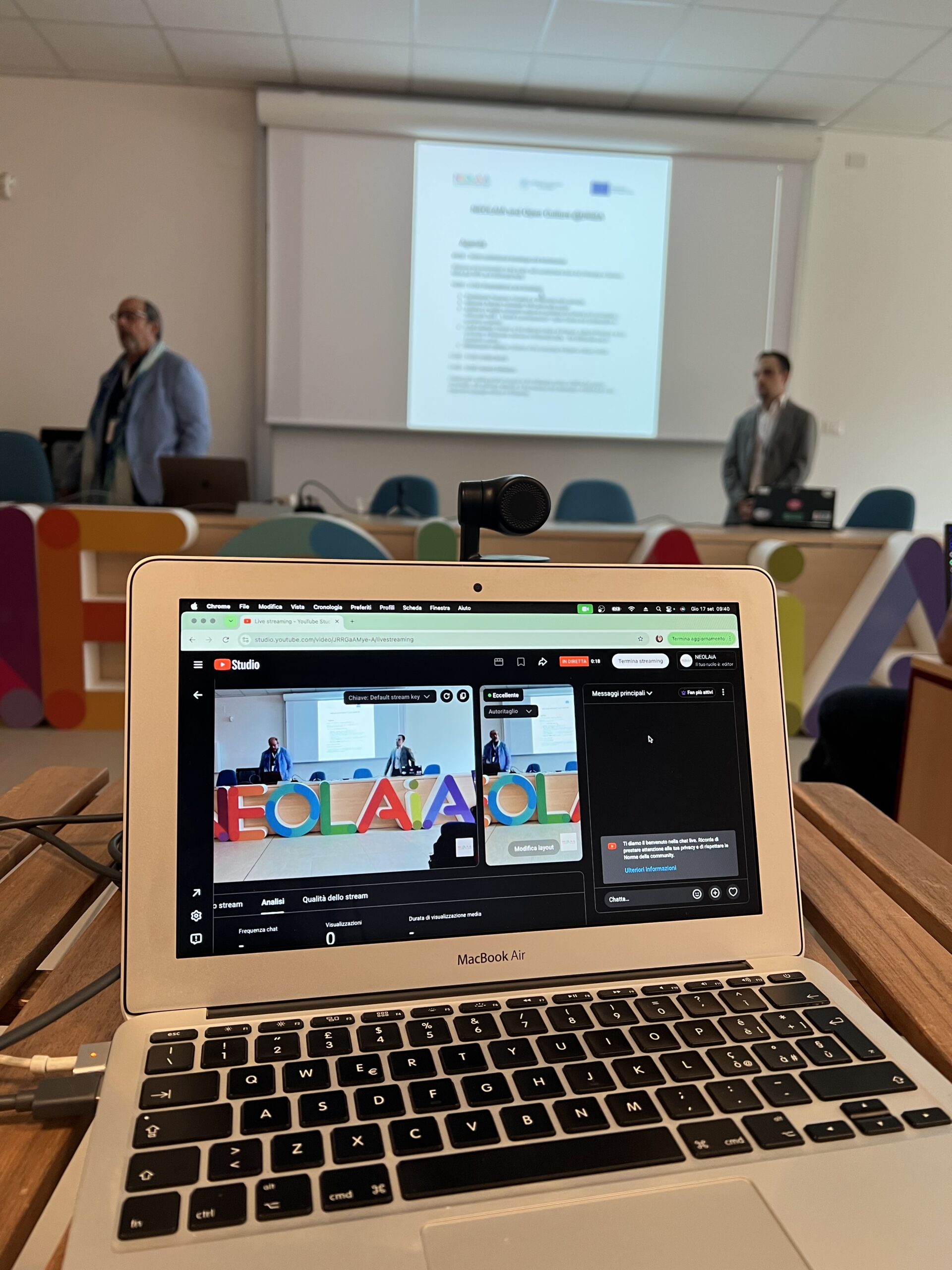
The event reached audiences beyond Salerno as well. Around 400 viewers followed the public session through the YouTube livestream.
Putting Open Culture into practice with Wikipedia
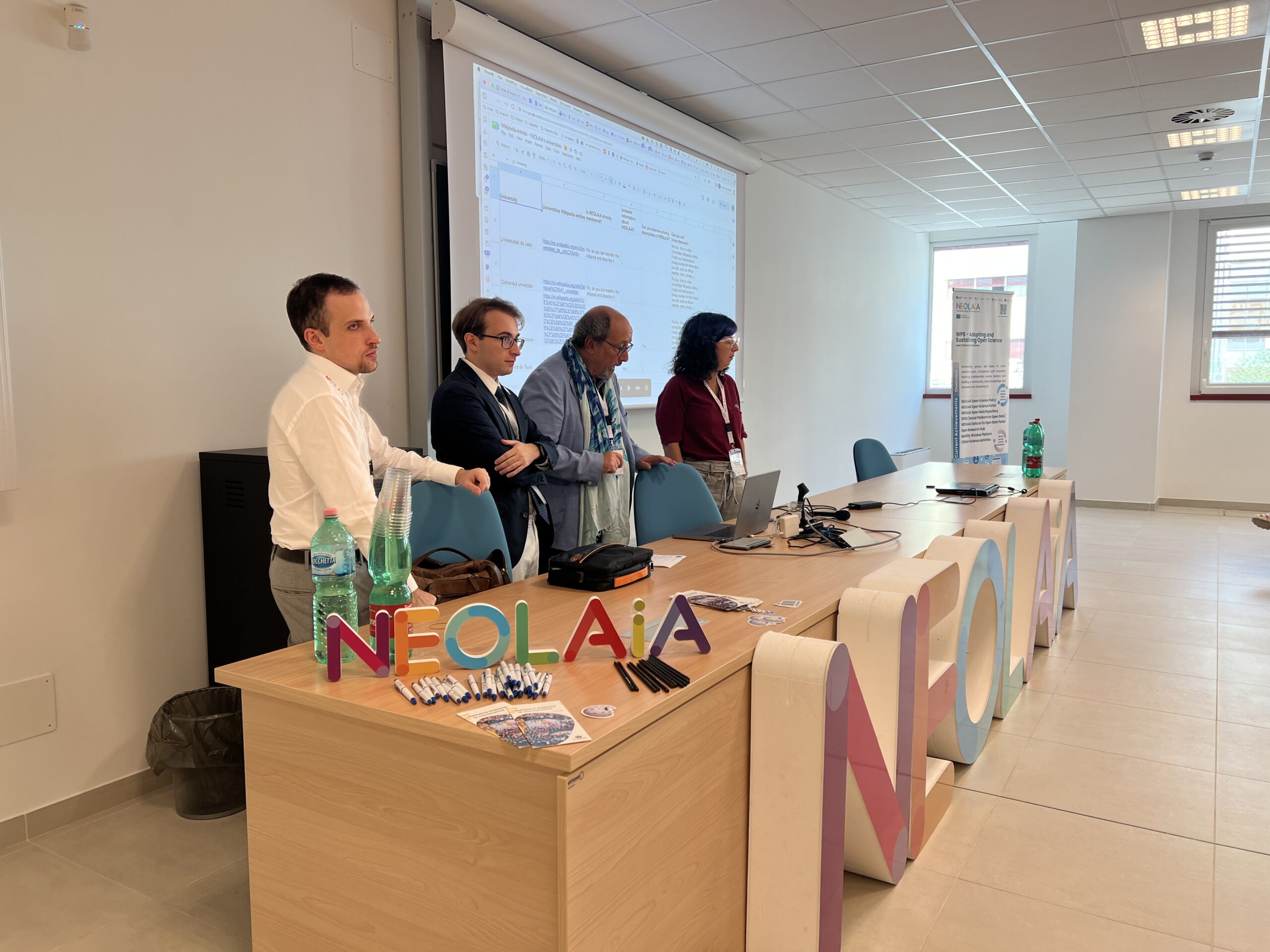
After the presentations, participants moved from discussion to practice through a guided Wikipedia editathon.
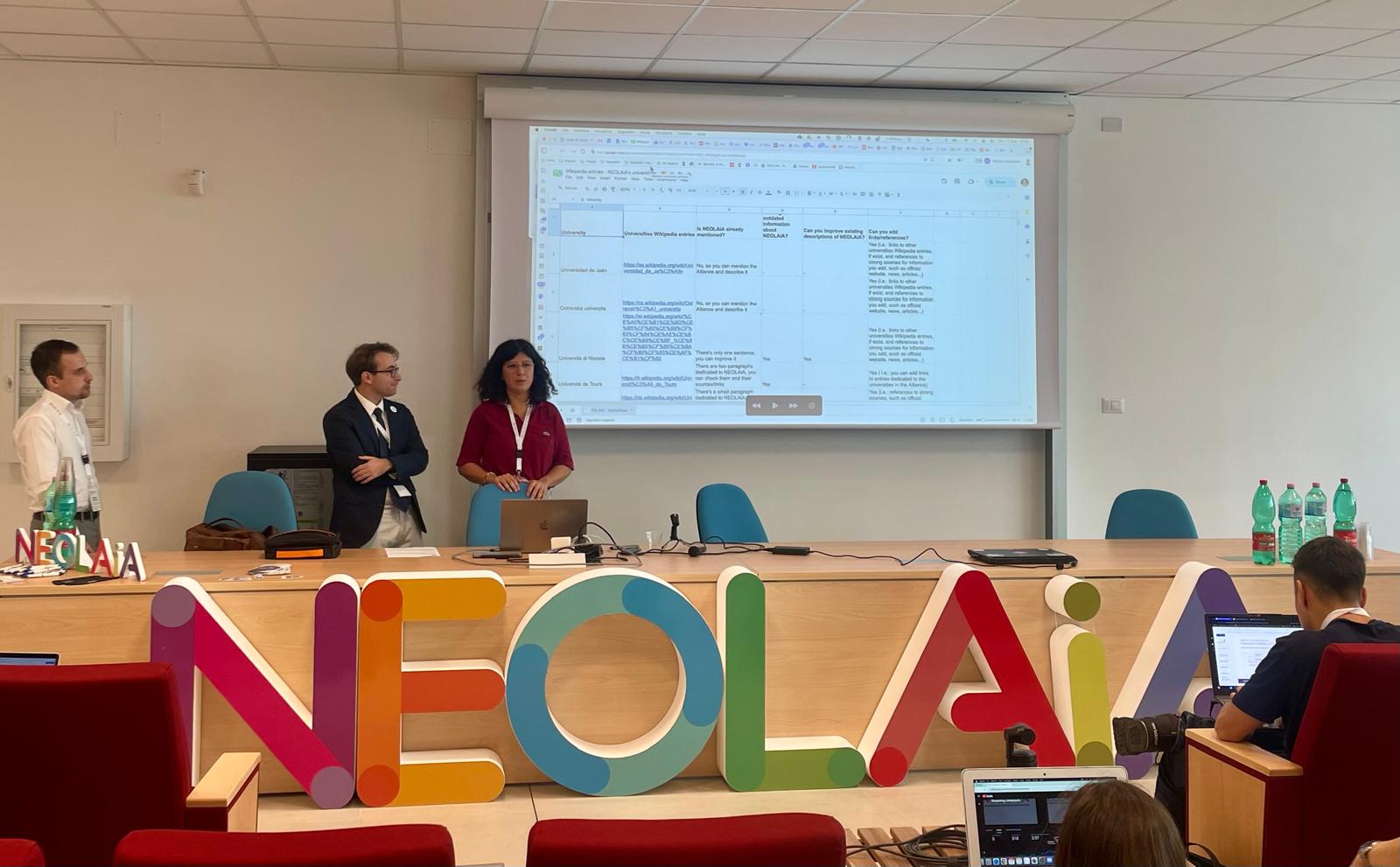
Working together, they reviewed Wikipedia pages related to NEOLAiA partner universities. They updated descriptions, added information about the NEOLAiA Alliance and included relevant sources and links. Participants also worked across different language versions of Wikipedia to improve the information available about NEOLAiA.
The editathon gave participants a practical example of Open Culture in action. Instead of only discussing how universities can make knowledge more accessible, they contributed directly to creating, checking and improving information available to the public.
The activity also showed how universities and Wikimedia communities can work together to improve the quality and visibility of open information.
Connecting universities and their communities
The two days in Salerno showed the variety of ways in which NEOLAiA universities approach Open Science, Citizen Science and Open Culture.
Partners shared practices from their own institutions, learned from one another and discussed how they can develop these activities further across the Alliance. The programme also created new connections between NEOLAiA universities and the Wikimedia community.
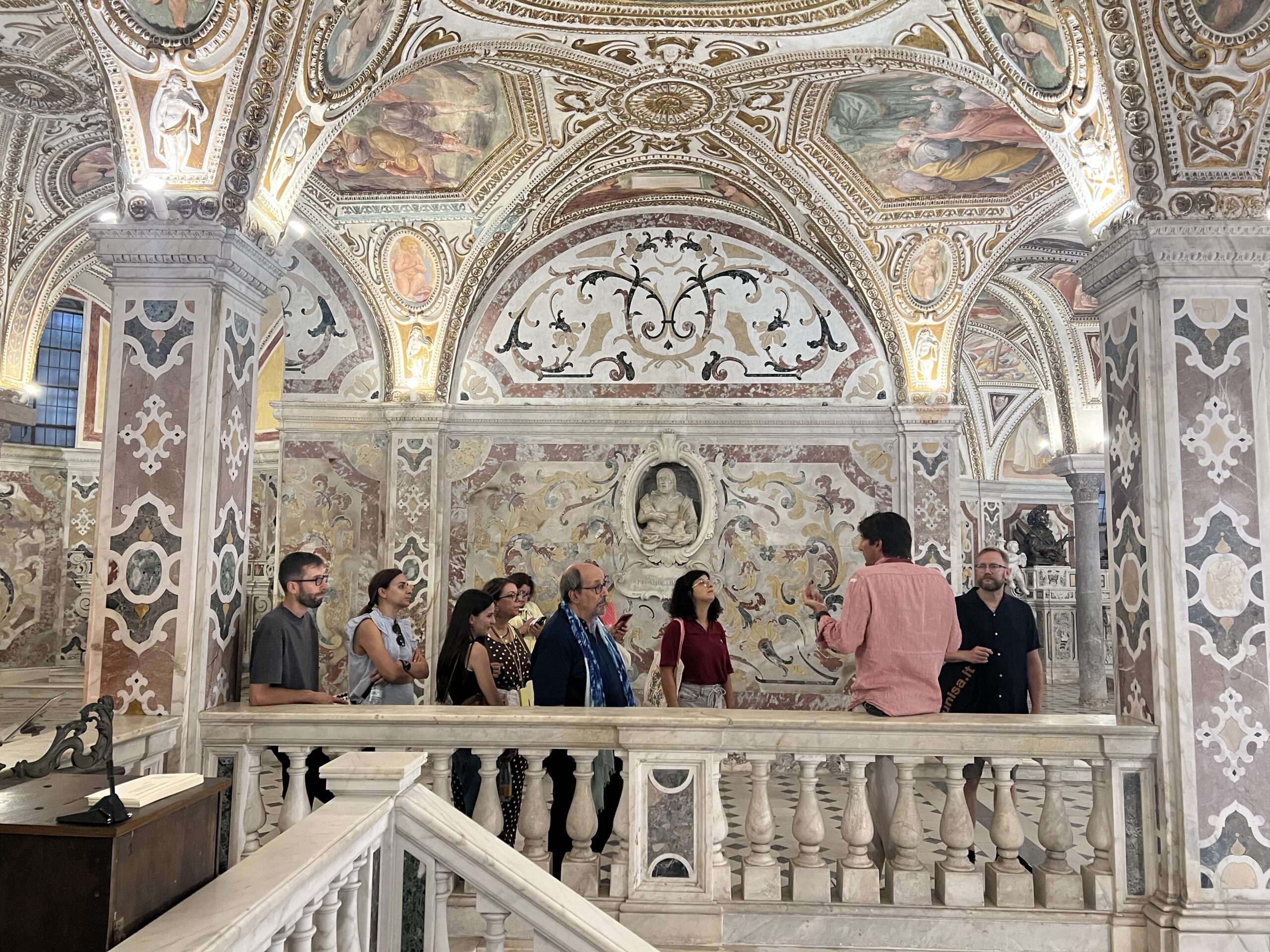
Participants concluded their time in Salerno with a guided visit to some of the city’s characteristic places, giving them an opportunity to learn more about its cultural heritage.
Through WP8, NEOLAiA continues to explore how universities can open knowledge to wider audiences, involve communities in research and create stronger connections between academia and society.