How can universities make research more accessible to society? And what can research support professionals learn from colleagues working at other European universities?
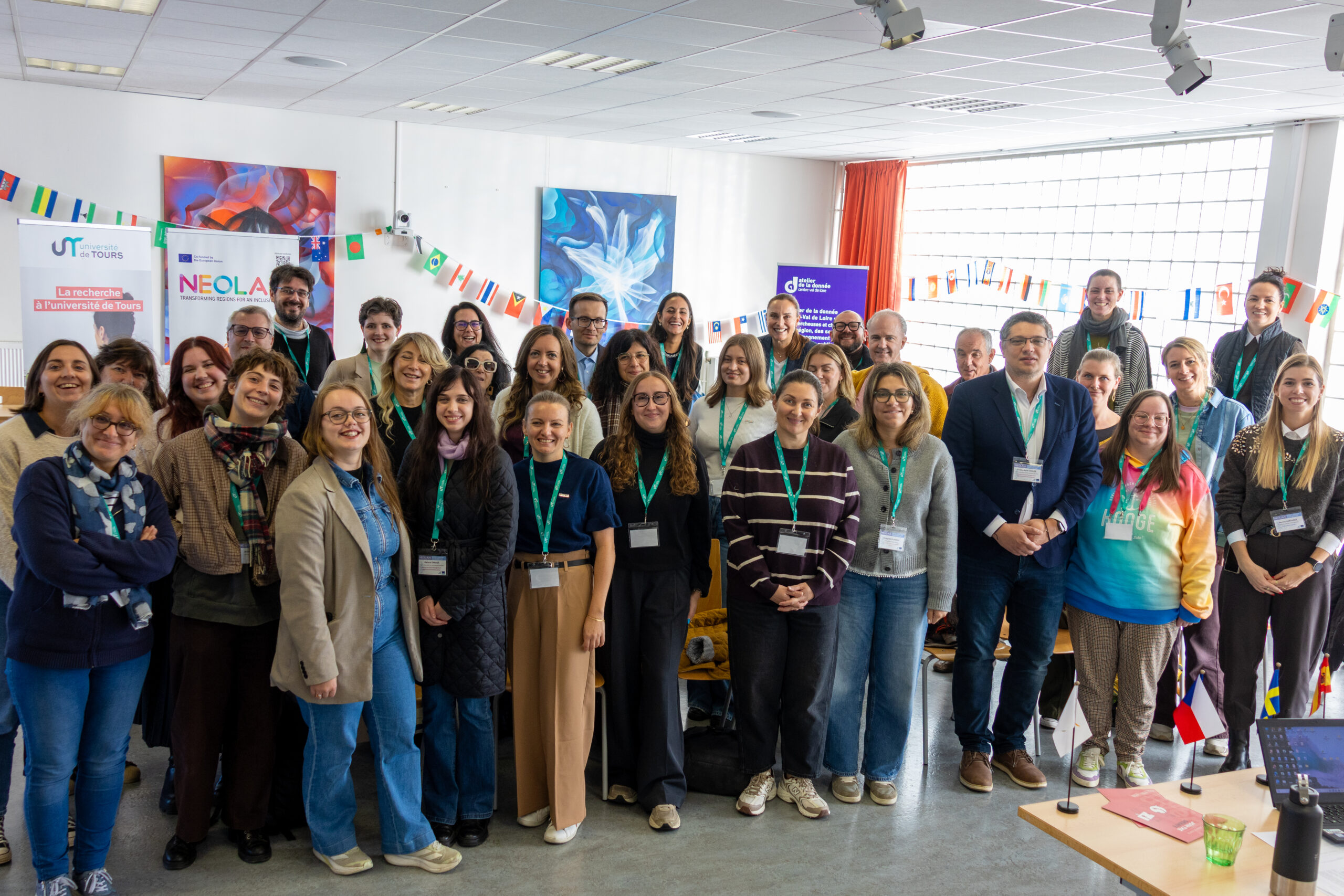
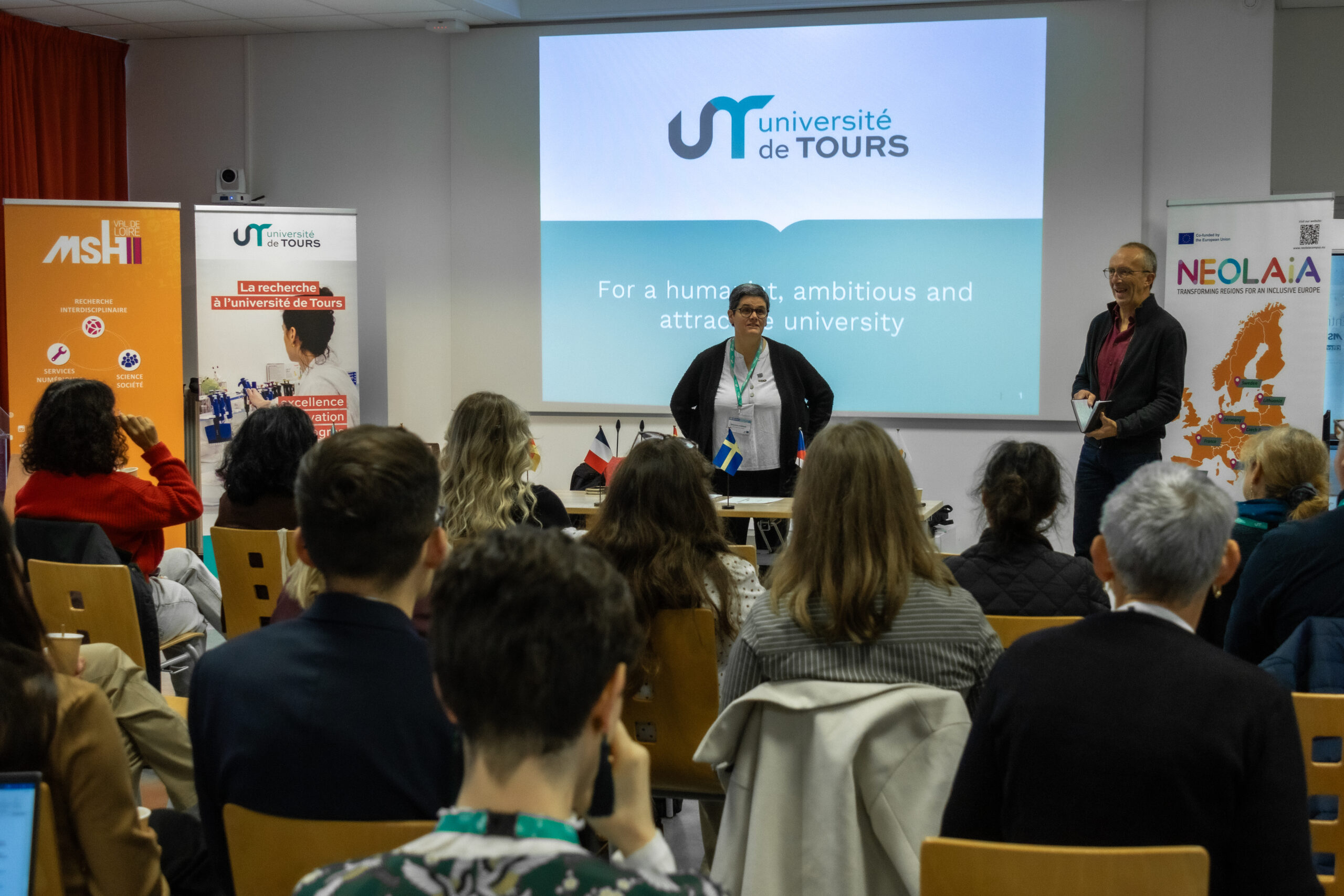
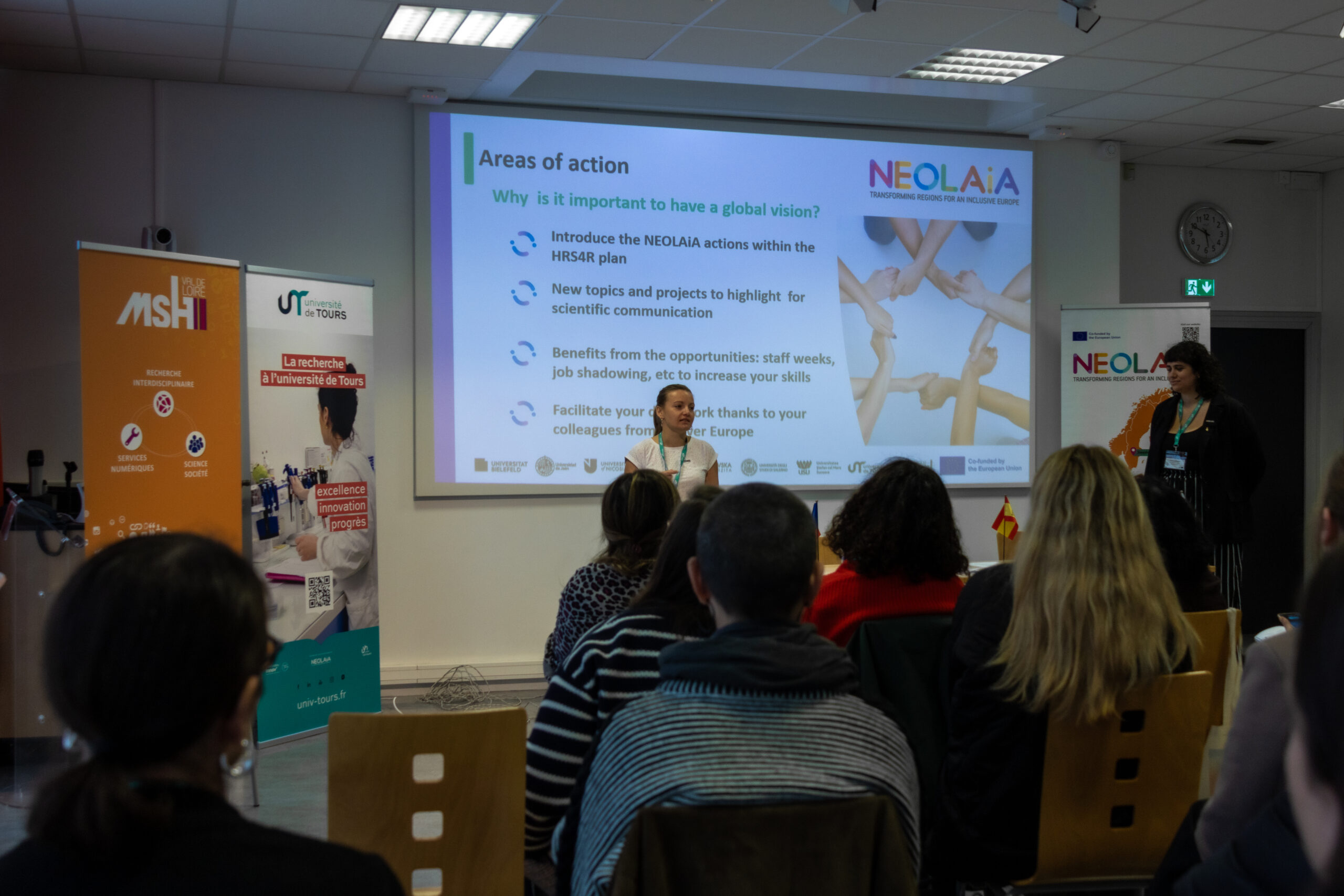
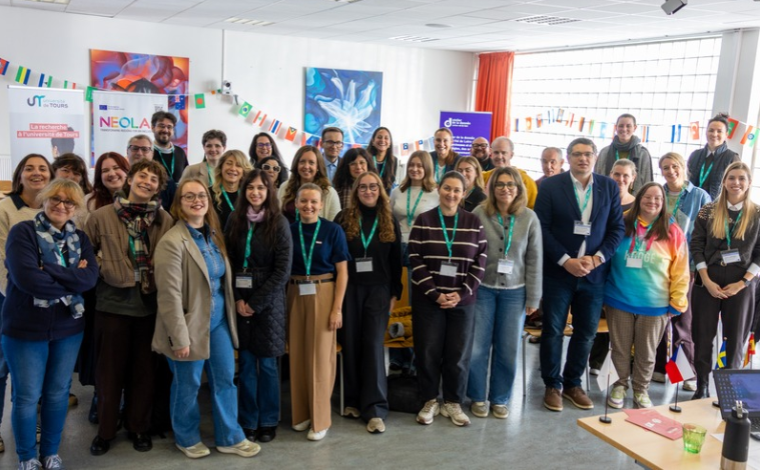
These questions were among the topics discussed when 46 professionals from all nine NEOLAiA partner universities met at the University of Tours on 20–21 October 2026.
The two-day WP5 Expert Support Teams Seminar brought together colleagues who work in science communication, doctoral support, human resources and research data management. Although their daily responsibilities vary, they share a common goal: helping researchers and research activities thrive within their institutions.
Hosted at MSH Val de Loire, the meeting offered an opportunity to exchange practical experiences, discover approaches from other universities and explore areas for future cooperation.
Helping Researchers Connect with Wider Audiences
Scientific discoveries and research findings can have an impact far beyond universities. However, communicating research to people outside academia requires time, skills and opportunities for dialogue.
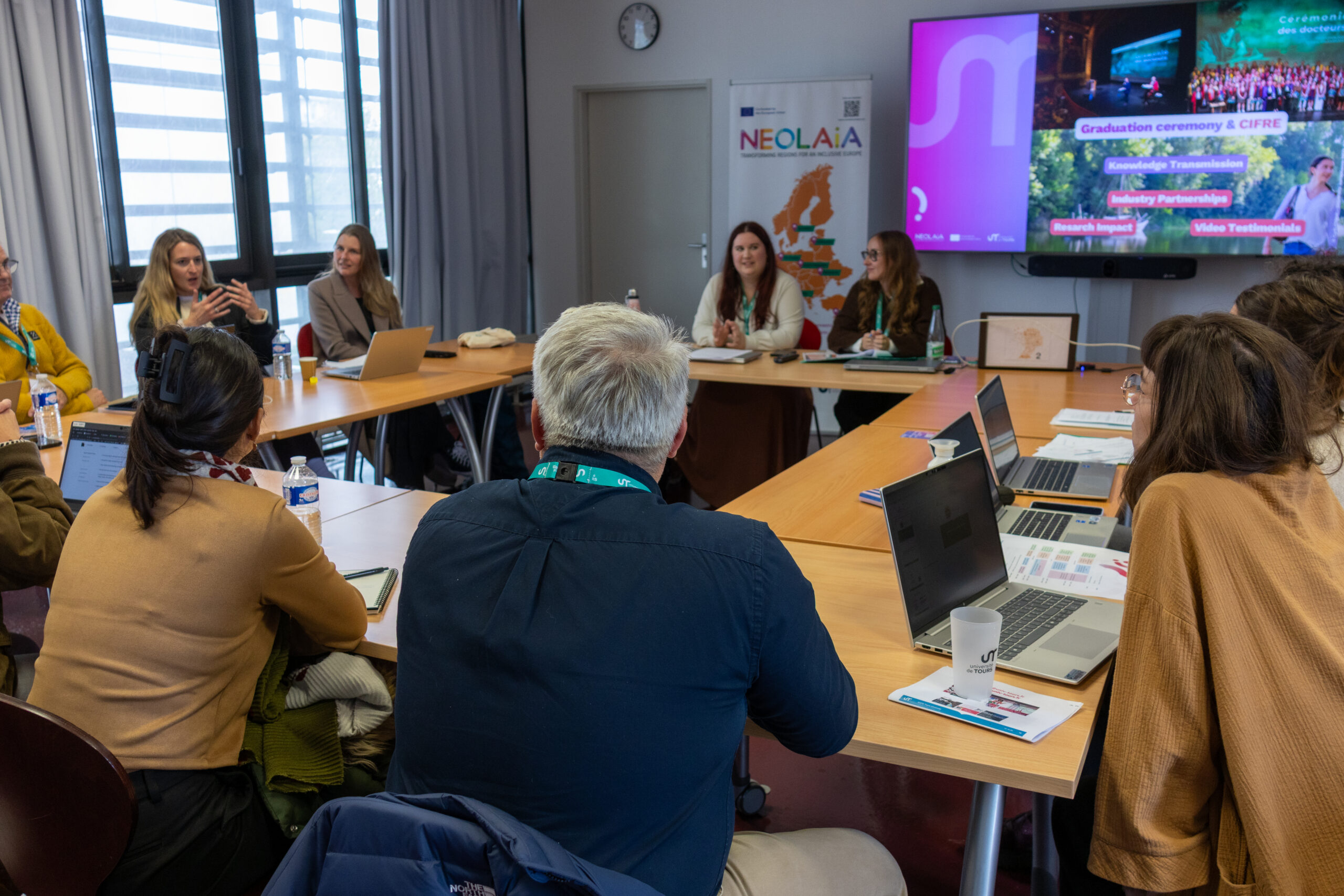
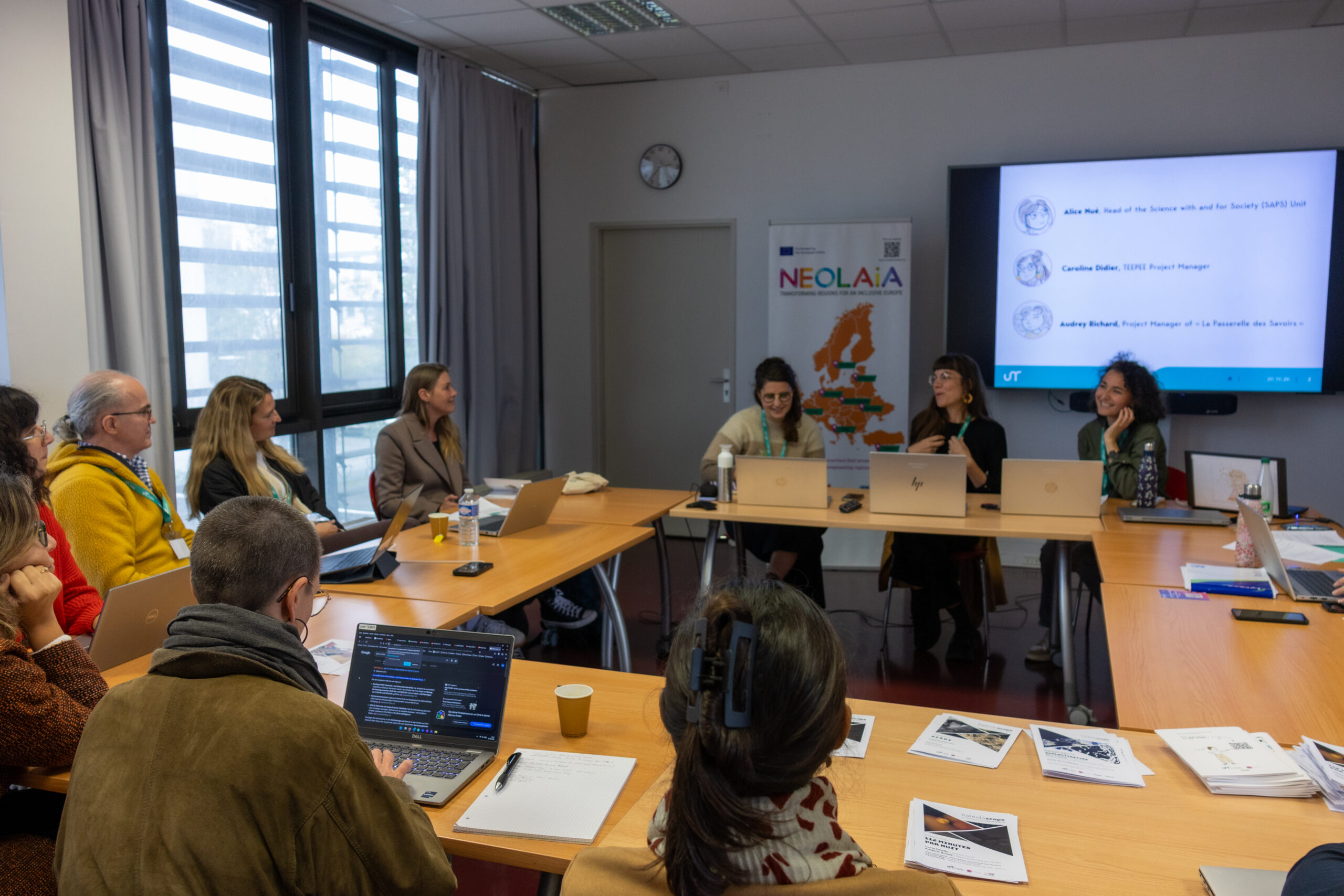
This was one of the main topics for the Science Communication Expert Group in Tours.
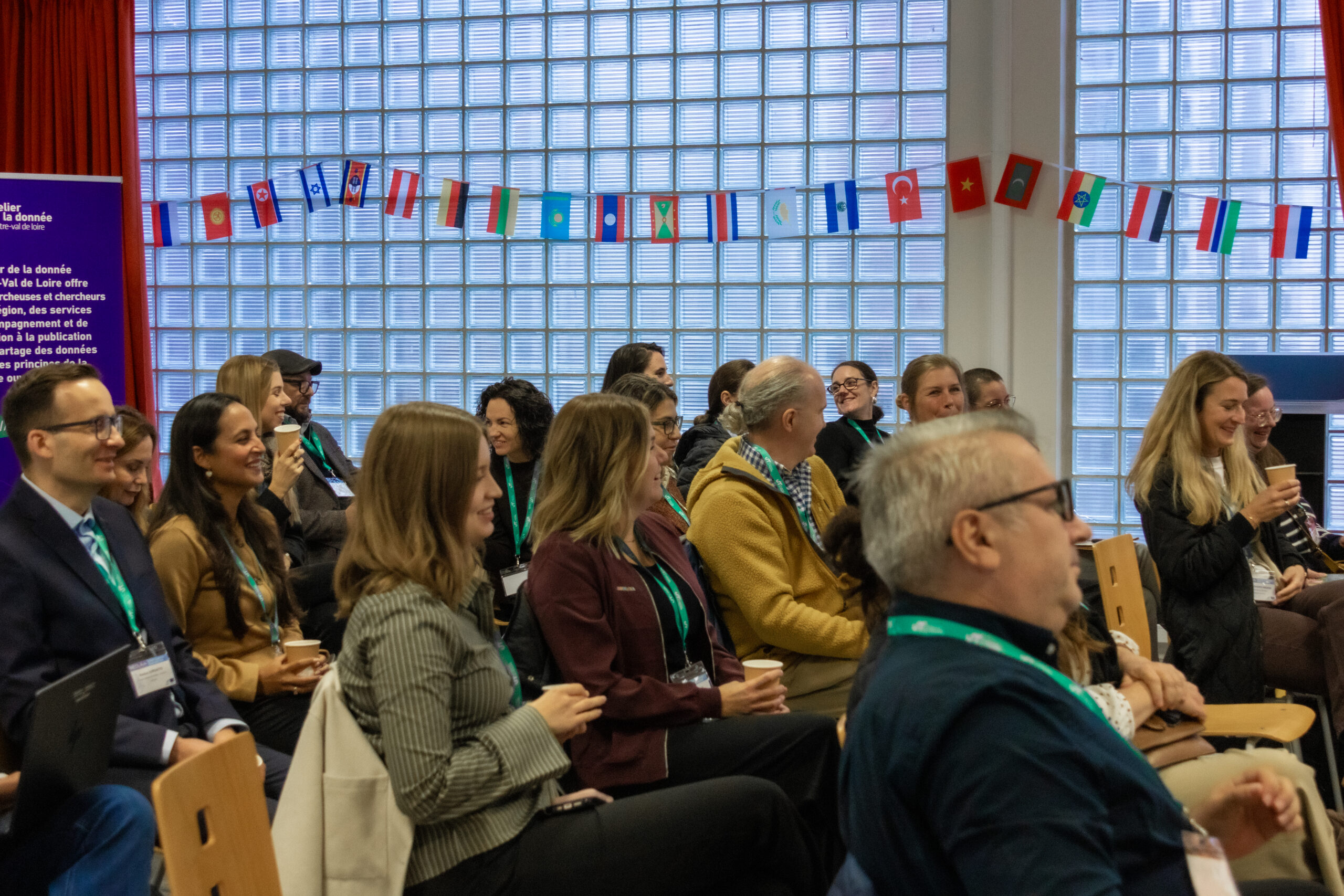
Participants discussed how universities approach science outreach, what tools they use to communicate research and how they encourage researchers to engage with different audiences.
Particular attention went to doctoral candidates and early-career researchers. How can universities help them develop science communication skills early in their careers? What activities could encourage them to share their research with the public?
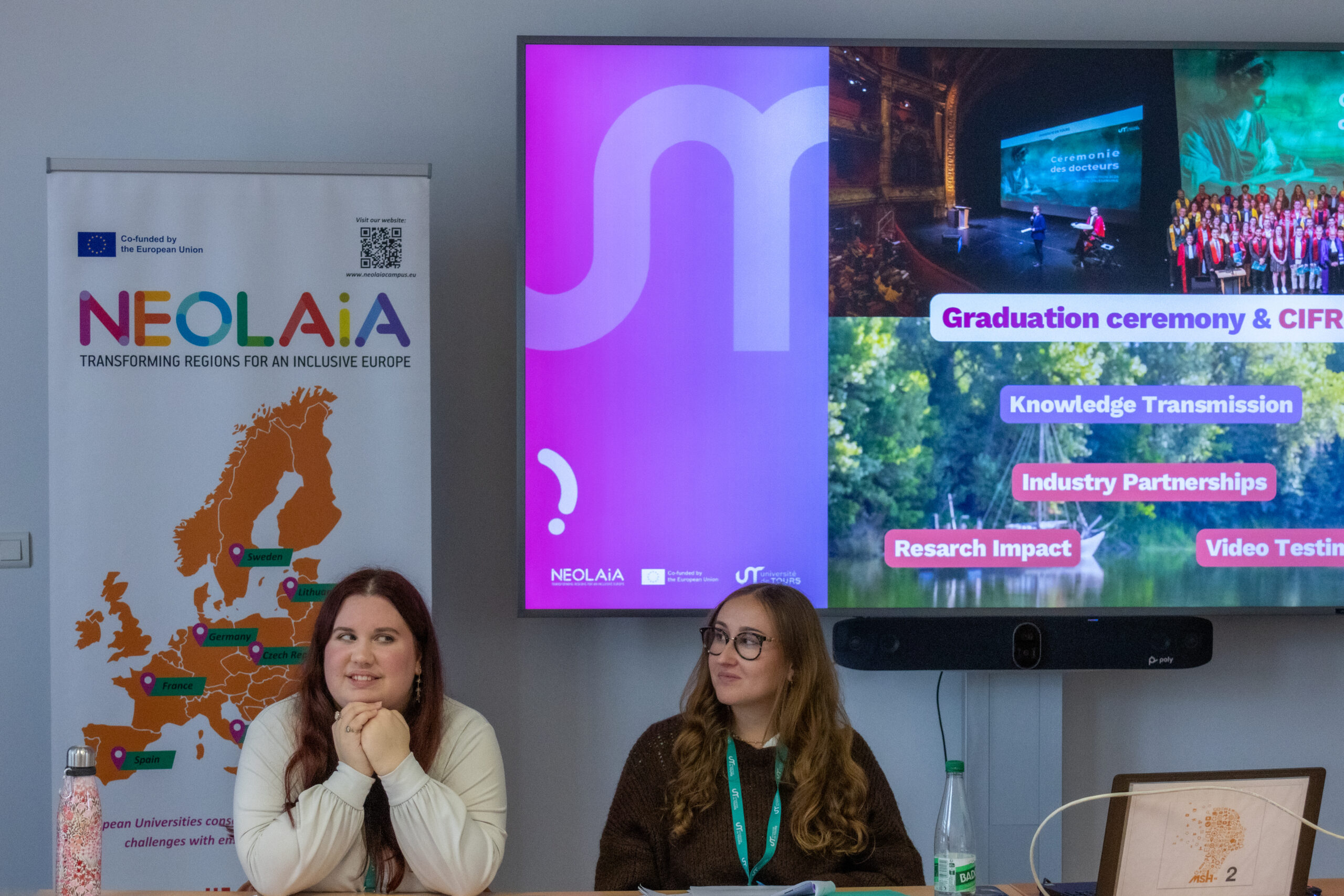
The University of Tours also introduced the French Science with and for Society (SAPS) approach and examples of initiatives that bring research and society closer together.
The discussions highlighted opportunities for universities to learn from one another and consider activities that they could develop across NEOLAiA.
One possibility raised by the University of Tours was a joint proposal for the European Researchers’ Night / MSCA and Citizens 2027 call. The idea remains a potential area for cooperation, but it offers an interesting direction for universities interested in developing science outreach activities together.
Learning from Different University Experiences
Science communication was only one part of the seminar.
Three other expert groups explored challenges that affect researchers and research support services across the Alliance.
Colleagues working in PhD Support discussed how universities could make information and procedures clearer for doctoral candidates pursuing joint PhDs. They continued work on a joint handbook, considered mapping doctoral programmes and explored the possibility of a shared European PhD Day activity in 2027.
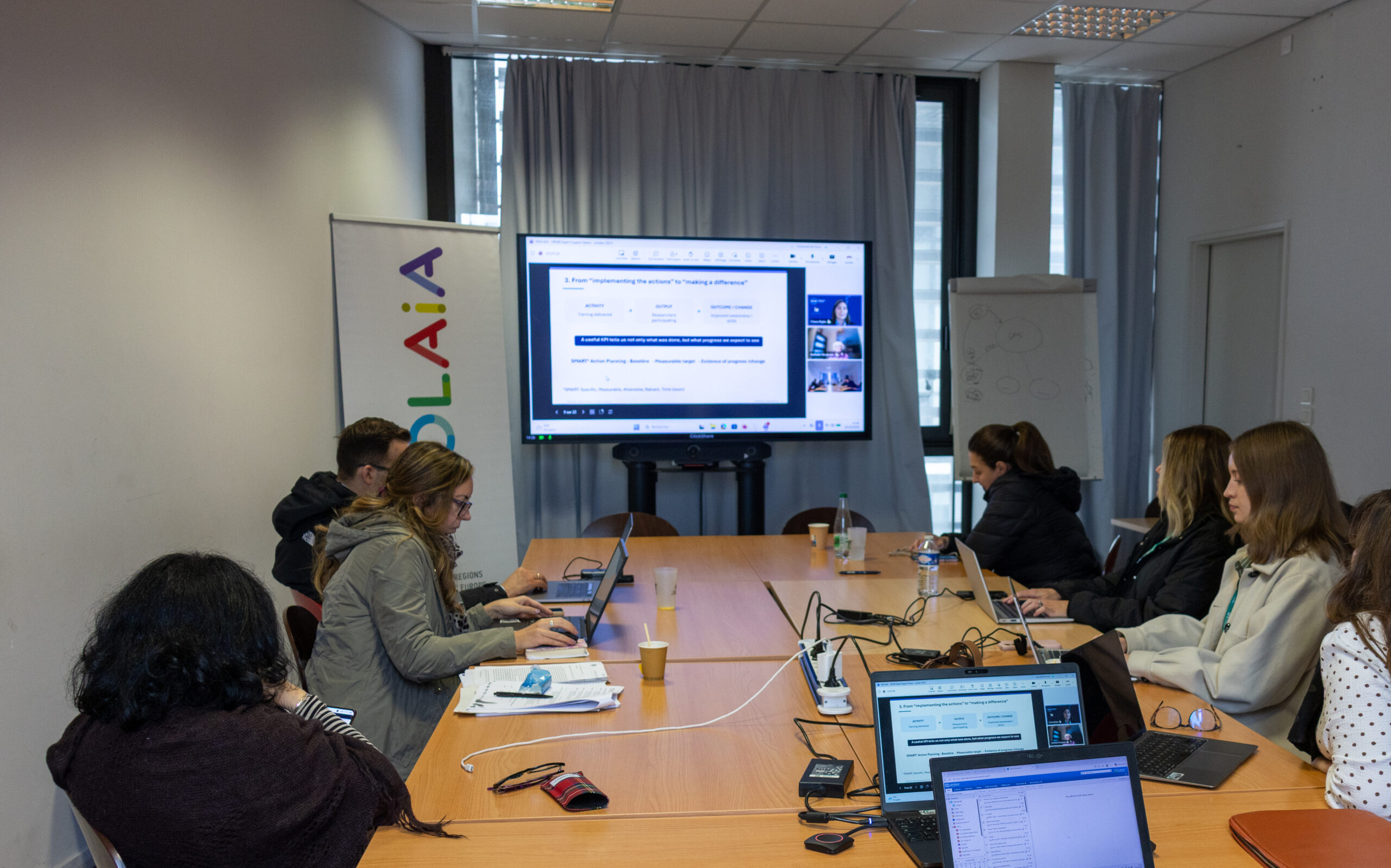
For the HRS4R group, the discussions focused on how institutions can improve working conditions and career support for researchers. Participants compared experiences with the HR Excellence in Research Award, including evaluation procedures, renewal processes and practical implementation.
The Research Data Management and Documentation group exchanged knowledge about research information and documentation practices and explored resources available at the University of Tours.
Participants also contributed ideas to a potential guide for incoming researchers and their families, an initiative that could help colleagues moving between universities access practical information.
The different discussions showed how much universities can learn from one another, even when their institutional structures and national systems differ.
Building Connections That Continue After the Meeting
Meetings like this offer something that online exchanges do not always provide: time to discuss challenges directly with colleagues who understand them.
For research support professionals, these connections can be particularly useful. A colleague at another university may already have experience with a challenge that another institution is only beginning to address.
The seminar created space for these conversations while allowing participants to explore how they might work together in the future.
Alongside the possible European Researchers’ Night proposal, the groups discussed further cooperation on doctoral support and potential joint activities in 2027.
Before leaving Tours, participants identified topics they would like to continue discussing at the next WP5 meeting.
For NEOLAiA, the value of such exchanges lies not only in the ideas that emerge during the meeting, but also in the professional relationships that help colleagues stay connected, share knowledge and support one another.
Through WP5, Increasing Regional Research Impact, the Alliance continues to bring together people who support research in different ways, helping them exchange experiences and explore opportunities that extend beyond their own universities.
The seminar took place at the University of Tours on 20–21 October 2026. Read the University of Tours’ event report for further details about the working groups and their activities.