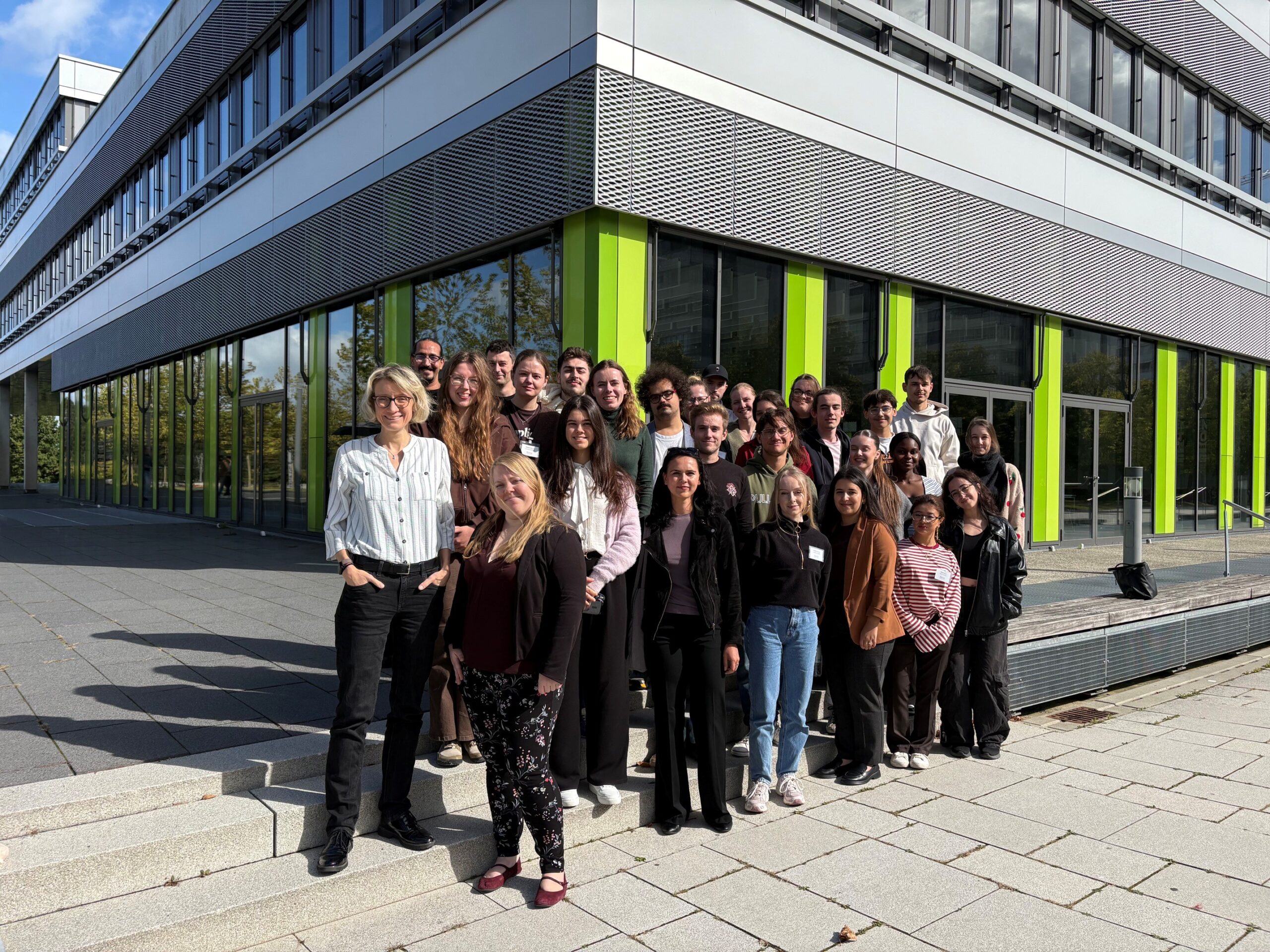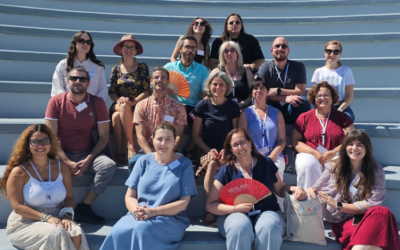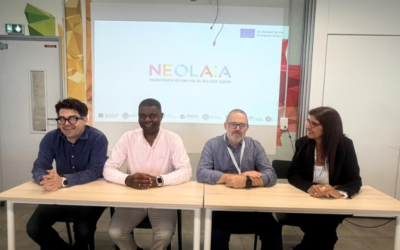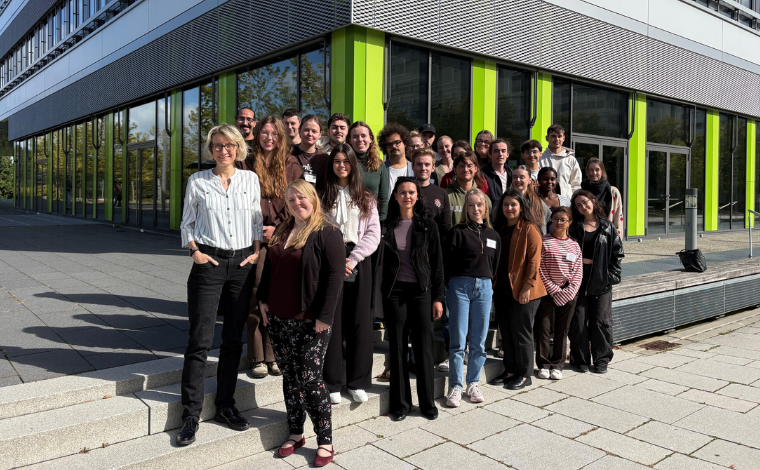
Students from eight NEOLAiA universities came together at Bielefeld University for NEOmentor Week, a training programme designed to prepare them for their roles as mentors and help strengthen diversity, accessibility and inclusion across the Alliance.
Organised by the NEOLAiA Diversity and Inclusion Work Package, led by Professor Dr Michaela Vogt and Dr Amelie Labusch, the programme brought students together to explore how they can support their peers and contribute to more inclusive university environments.
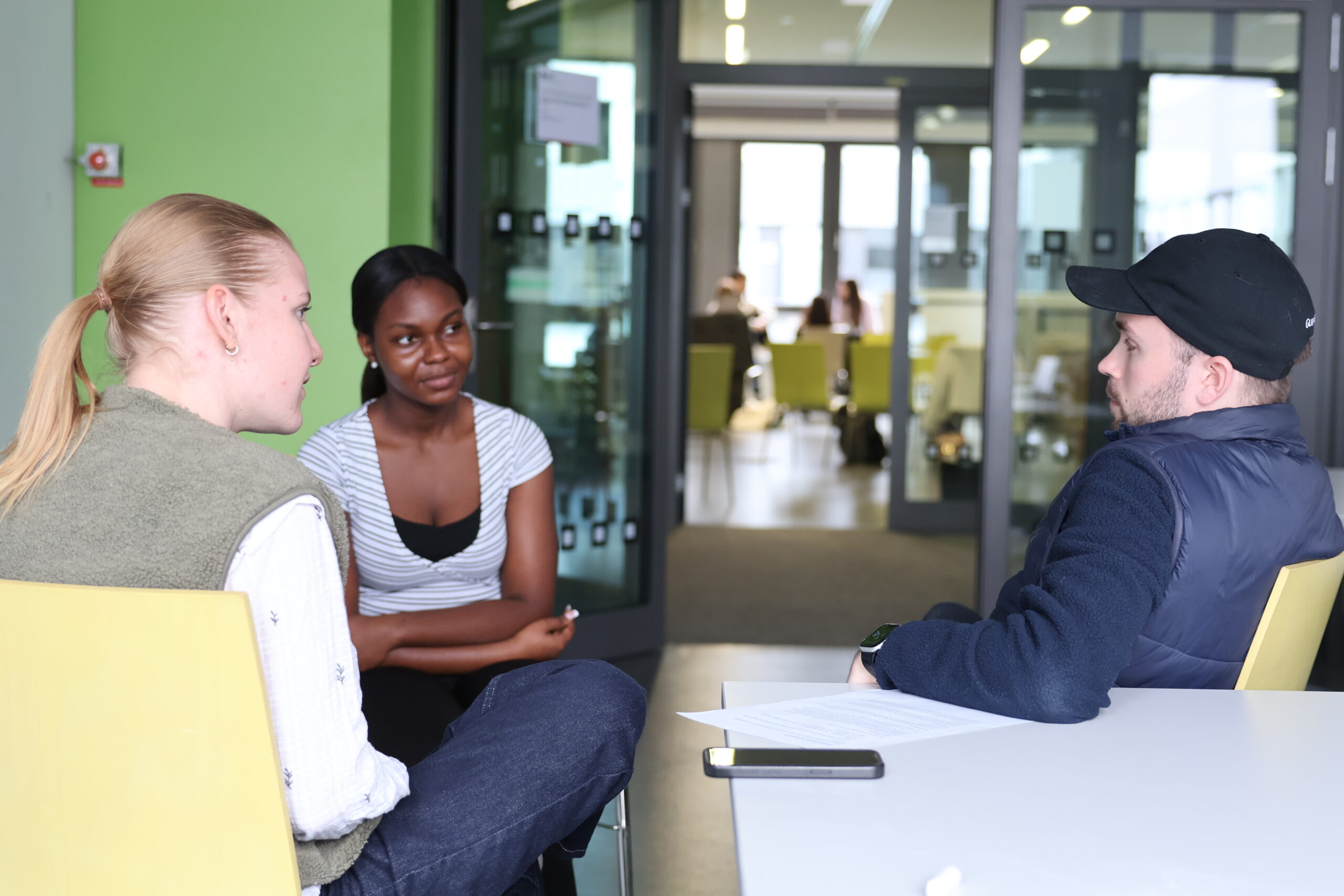
Throughout the week, participants took part in workshops, practical activities and discussions focusing on accessibility, student health, diversity, conflict resolution and mentoring. The training was organised in close collaboration with Bielefeld University’s Accessibility Services and Diversity Team.
Learning to Recognise and Remove Barriers
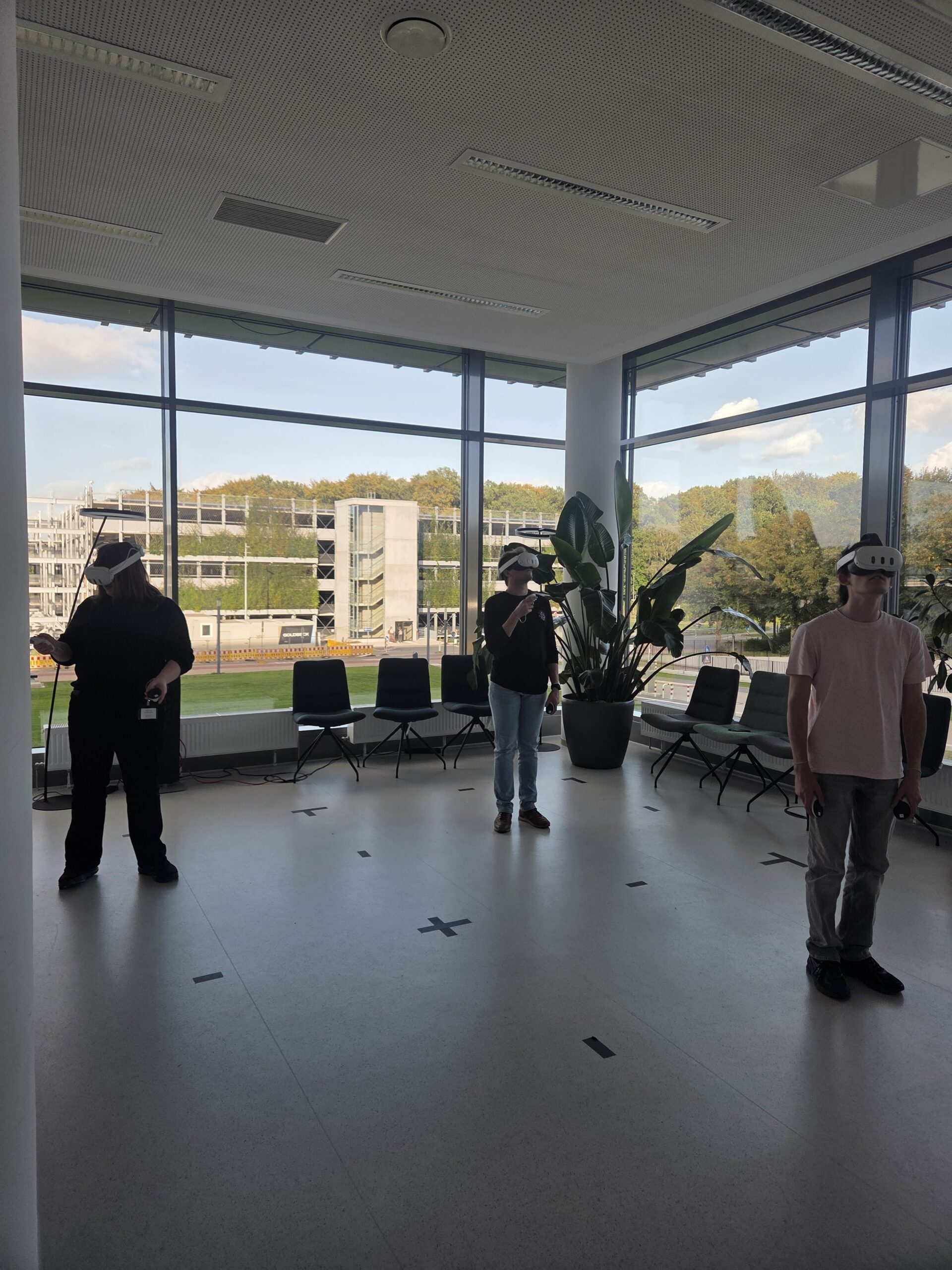
The week began with an introduction to Bielefeld University and its approach to accessibility and inclusion. Participants explored the campus and had the opportunity to try assistive technologies, including VR-supported tools.
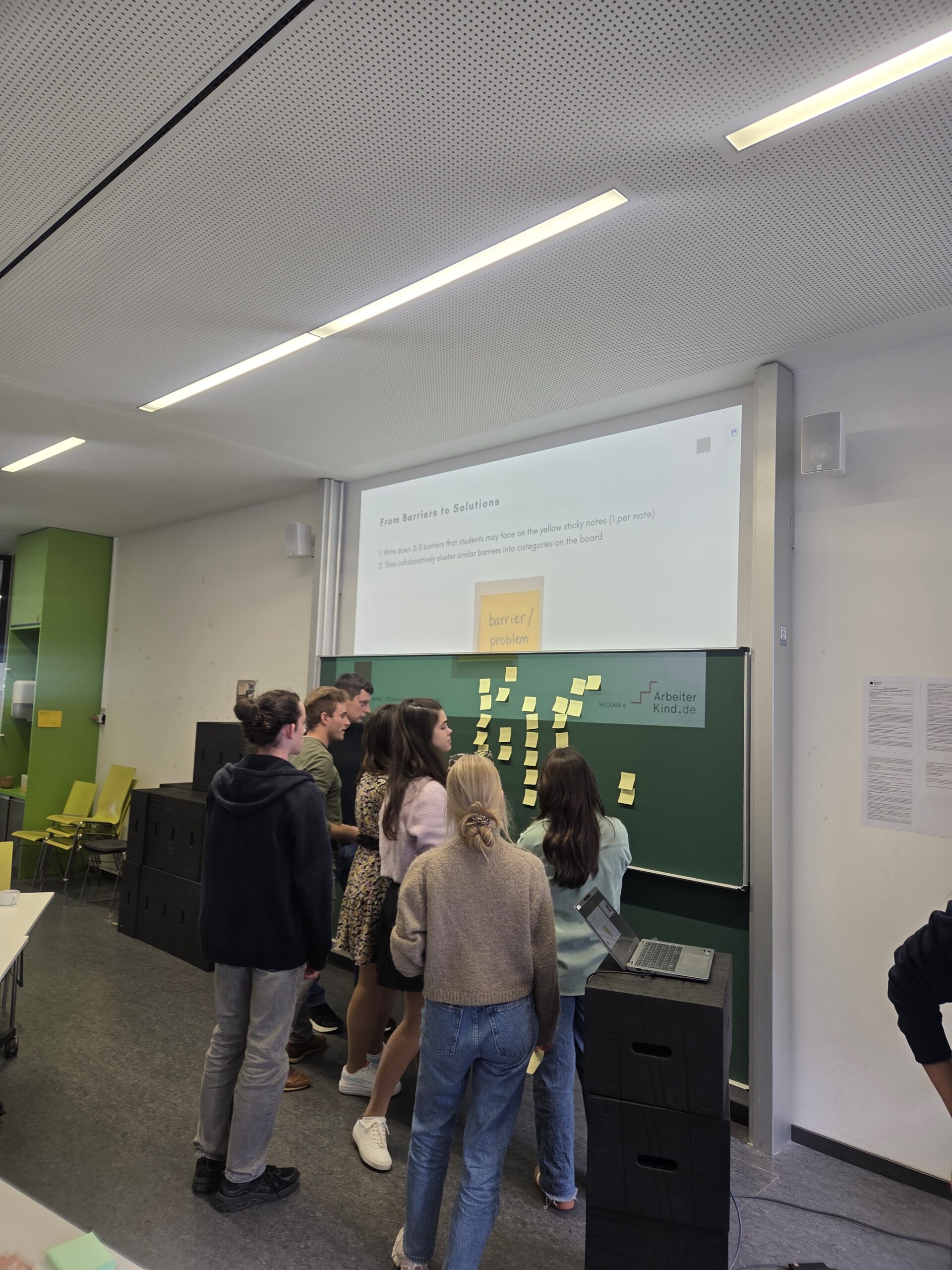
Together with representatives of the Accessibility Services (ZAB) and Diversity Team, students discussed barriers that may prevent equal participation in university life and explored possible solutions.
These discussions also drew on the NEOLAiA NEOCharter and NEOBest Practices, which support the Alliance’s efforts to promote diversity and inclusion across its partner institutions.
Another important topic was Student Health Management. Students explored ways to develop support networks at their home universities and address challenges faced by under-represented groups.
Preparing Students for Their Roles as Mentors
A central part of NEOmentor Week focused on preparing participants for the one-year mentoring and reverse mentoring programme at their home universities.
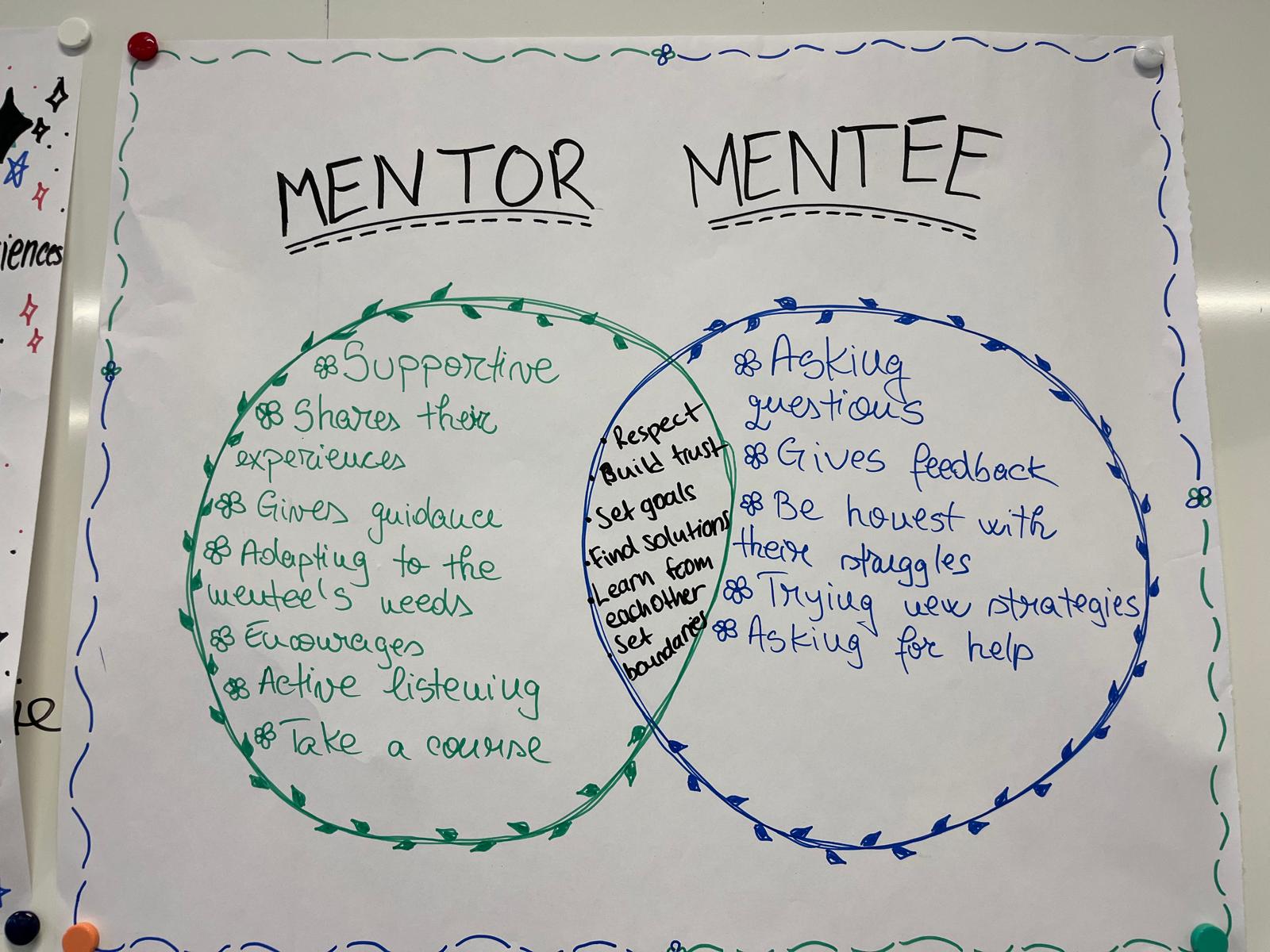
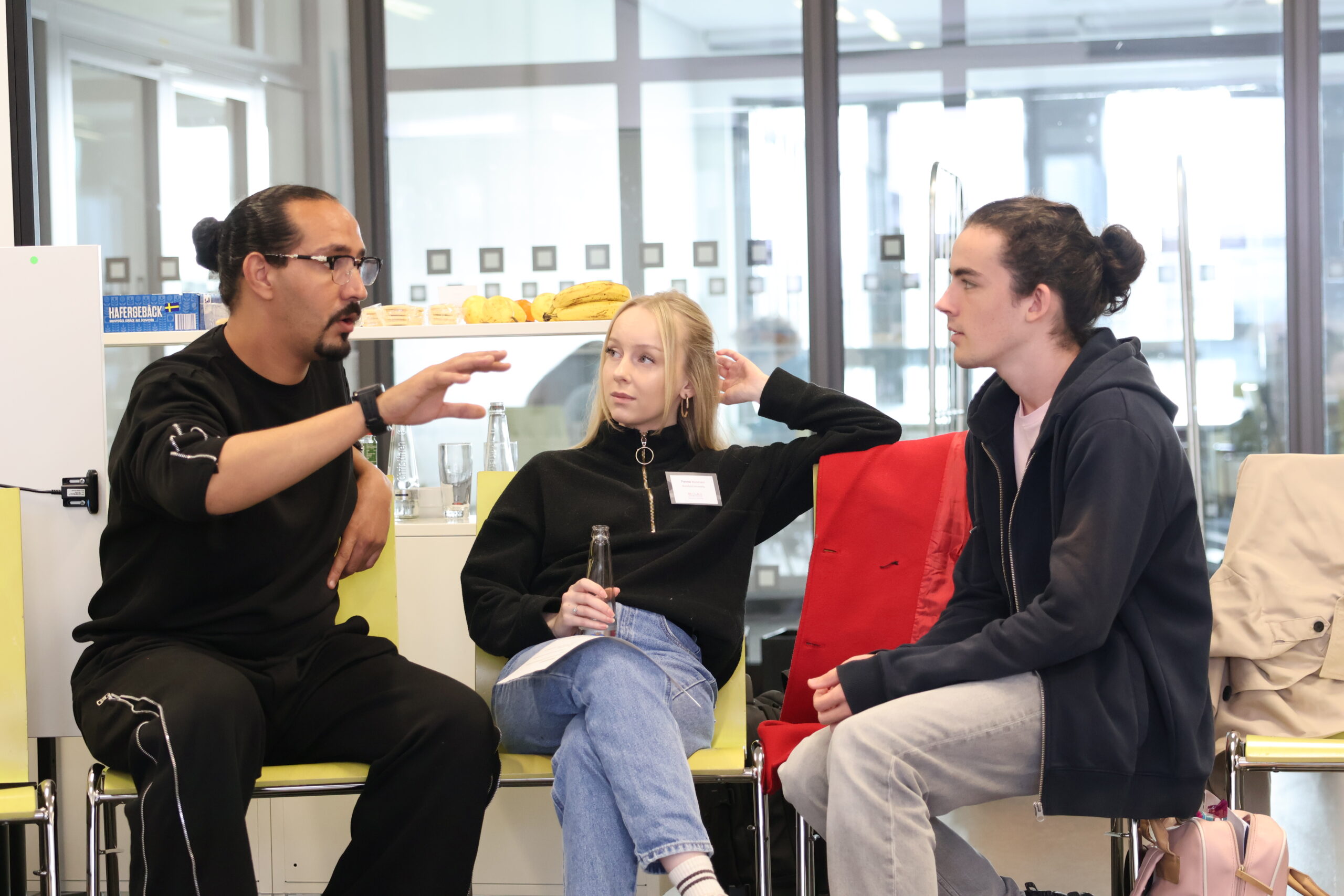
During training sessions, students explored different approaches to peer learning, discussed the responsibilities of mentors and mentees, and developed methods for reaching and selecting students who could benefit from mentoring.
The programme also introduced the concept of reverse mentoring, where learning takes place in both directions. Mentors support their peers while also gaining insights from the experiences, needs and perspectives of their mentees.
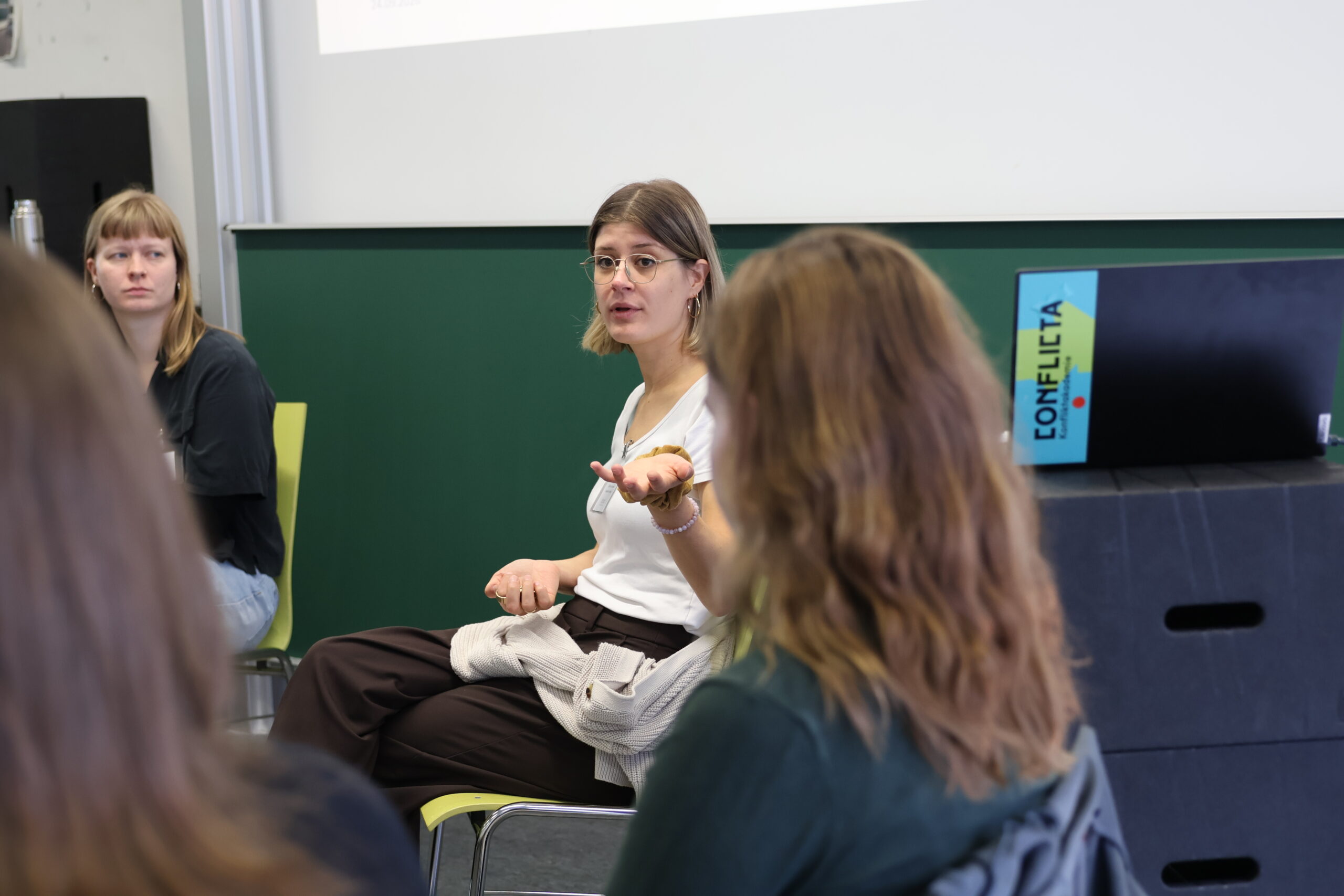
A training module delivered by the Conflict Academy at Bielefeld University helped participants develop skills in conflict resolution and communication in diverse environments.
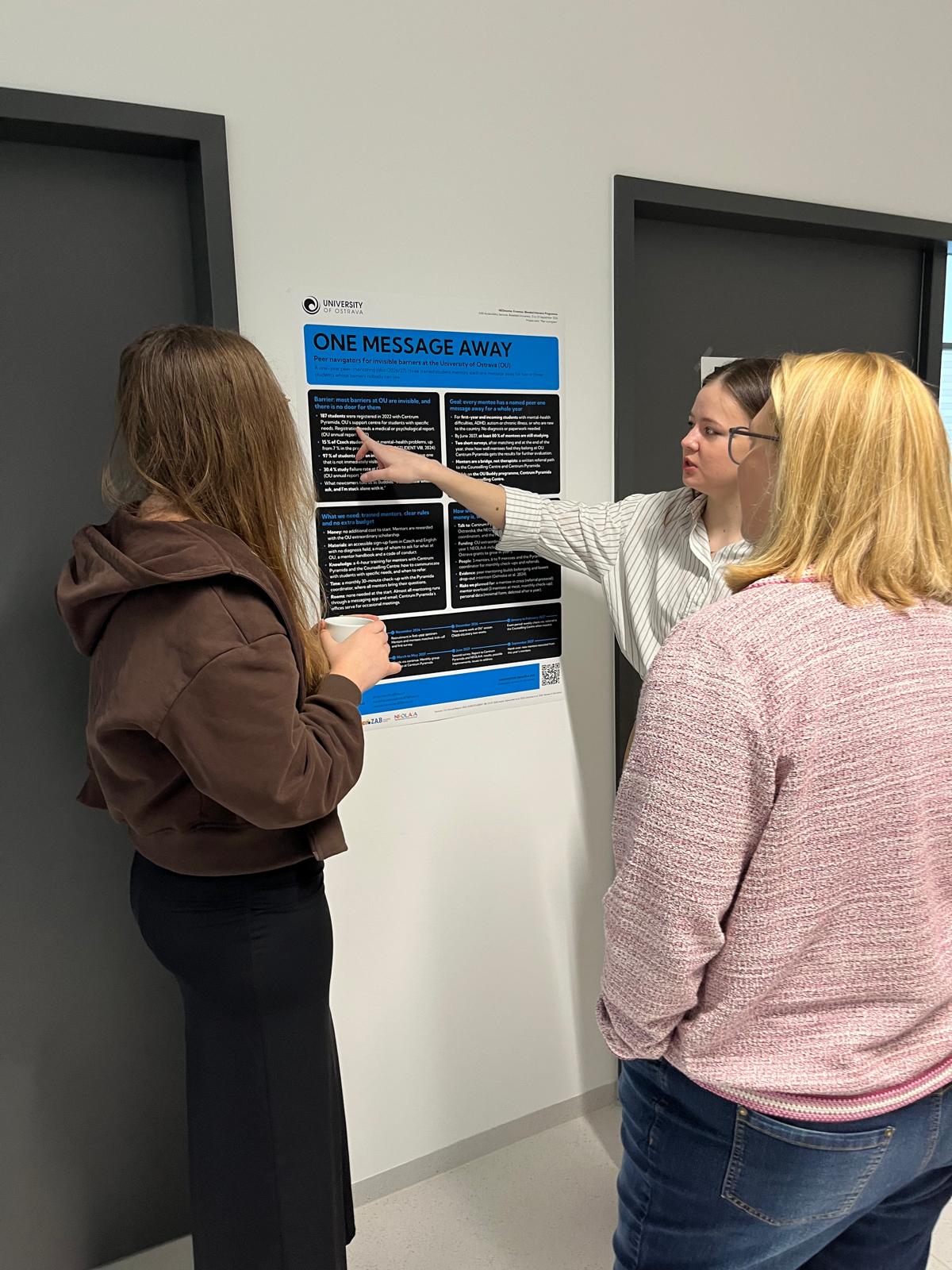
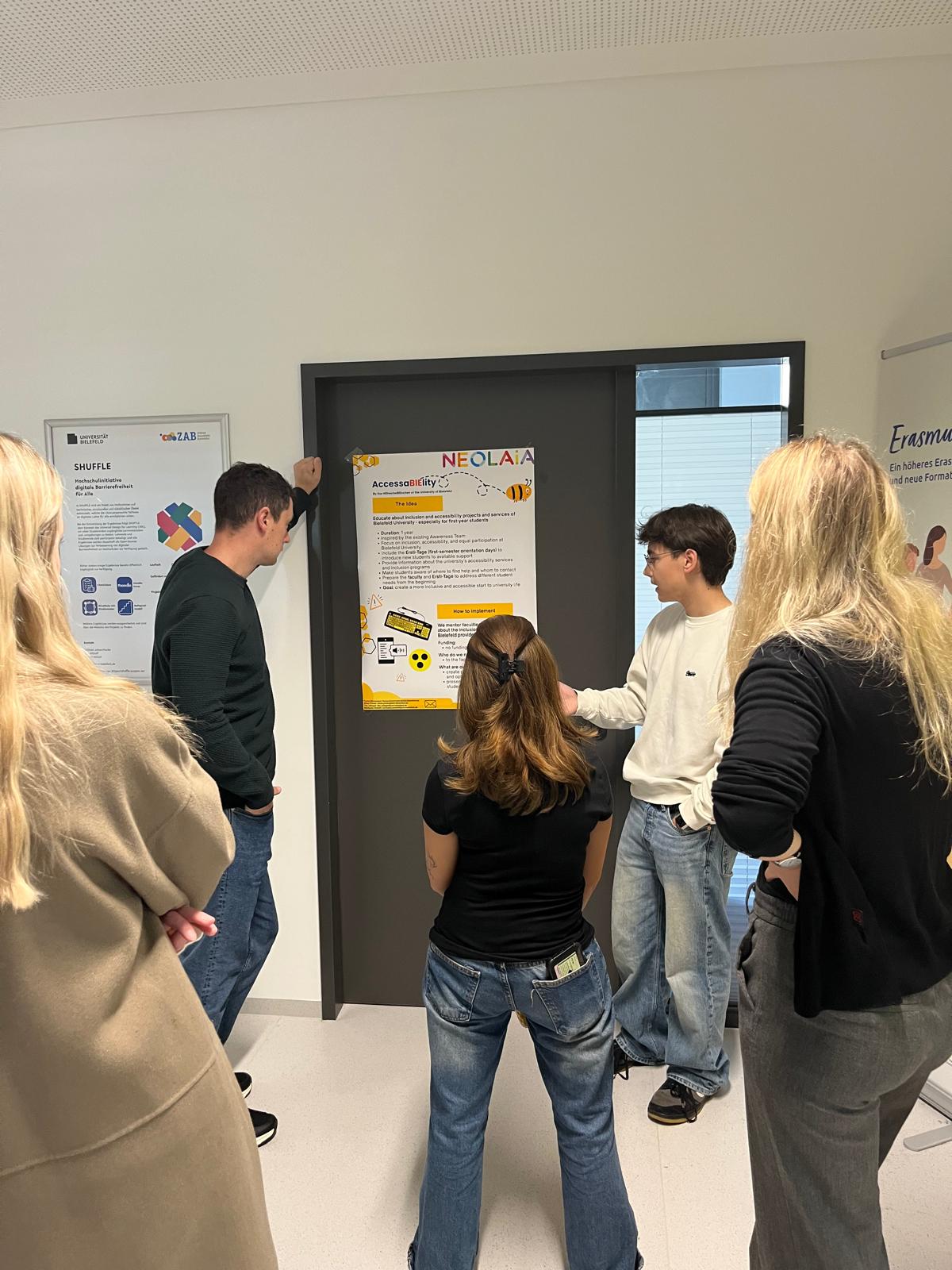
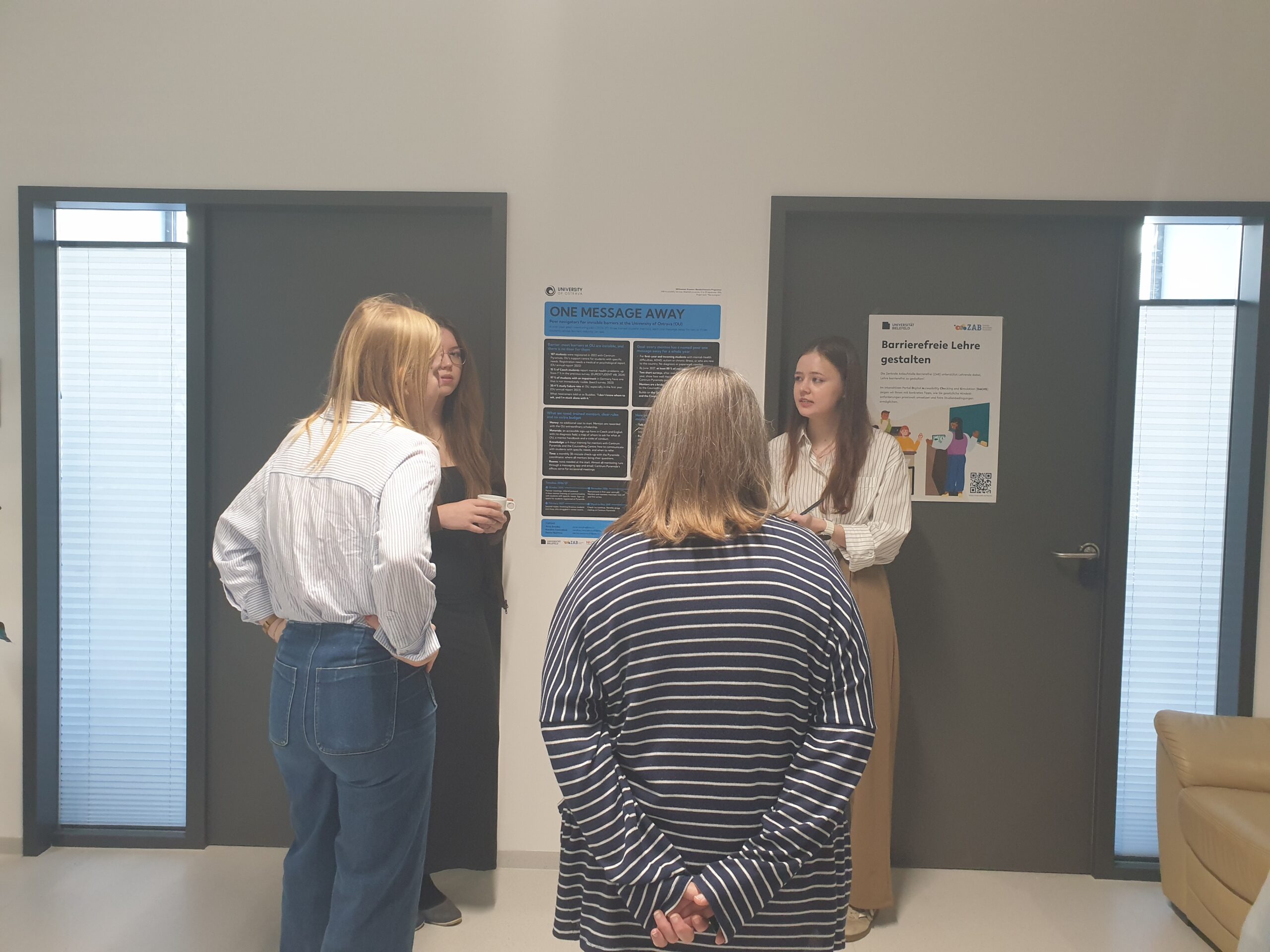
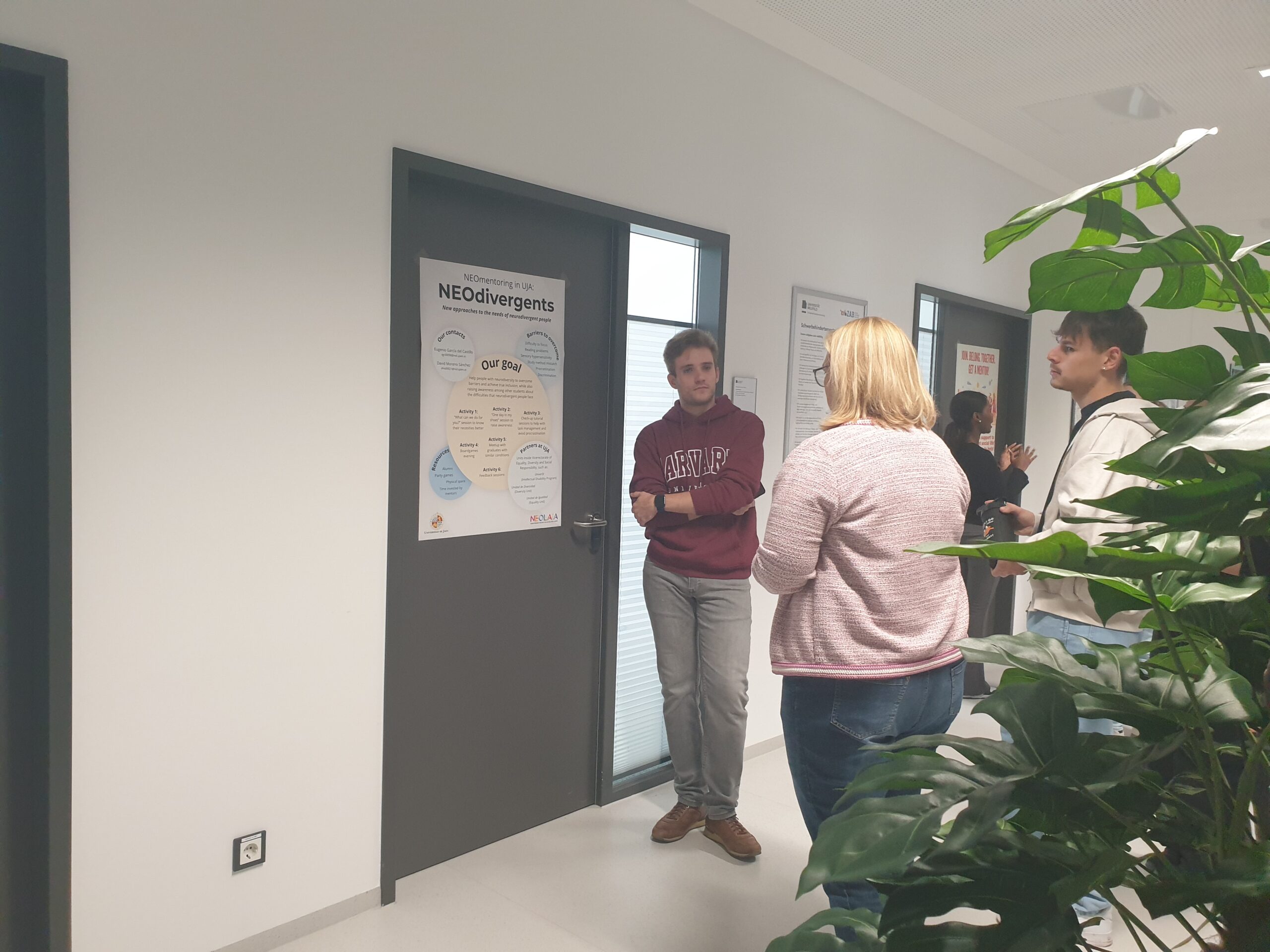
At the end of the week, students presented their findings and ideas during a poster session.
They will now take their newly developed knowledge and skills back to their home universities, where they will serve as mentors for one year and contribute to strengthening inclusive university communities.
Building Connections Beyond the Training Sessions
NEOmentor Week was also an opportunity for students from different European countries to get to know one another and exchange experiences beyond the classroom.
Shared lunches and dinners, a visit to Sparrenburg Castle, an international evening and a trip to Olderdissen Zoo created space for informal conversations, cultural exchange and new friendships.
During the international evening, students shared traditional food, dances, poems, games and stories from their home countries, bringing the cultural diversity of the NEOLAiA community to life.
These experiences helped participants build connections that will continue as they take on their mentoring roles across the Alliance.
Reflections on NEOmentor Week
Professor Dr Michaela Vogt, Vice-Rector for International Affairs, Diversity and Society at Bielefeld University and Head of the NEOLAiA Diversity and Inclusion Work Package, highlighted the importance of connecting student development with long-term institutional change:
“With NEOmentor, we are forging an important link within the NEOLAiA Alliance between the professional development of committed students and the sustainable promotion of diversity and inclusion at our universities. Participants not only take new skills back to their home universities, but also become actively involved there themselves and support other students. This is explicitly a mutual learning process: in the spirit of reverse mentoring, the NEOmentors also learn from the experiences and perspectives of their mentees. They can then share their mentoring experiences with their universities and thus contribute to the further development of inclusive structures. In this way, the European exchange is translated into the day-to-day reality of university life in a very concrete manner.”
Professor Vogt also thanked Dr Amelie Labusch, Chelsea Wahner, Silvia Burkhardt and the Accessibility Services (ZAB) at Bielefeld University, headed by Michael Johannfunke, for their contribution to the organisation and success of the programme.
Dr Amelie Labusch, Co-Lead of the NEOLAiA Diversity and Inclusion Work Package, reflected on the connections formed between students:
“The students gained an incredible amount of specialist knowledge during this week, but NEOmentor is far more than just a training programme. It was impressive to see how quickly students from different European universities formed a community. They worked closely together, learnt from one another, laughed a lot and also shared very personal experiences with one another.”
She also highlighted the international evening as a particularly memorable part of the week, when students shared their cultures through traditional food, music, dances, poetry and games.
“On that evening, cultural diversity was not merely discussed, but experienced together. It is precisely these kinds of encounters that, for me, make NEOLAiA so special.”
From Training to Action Across NEOLAiA
With NEOmentor Week completed, participants are ready to begin the next stage of their journey.
Over the coming year, they will put their training into practice by supporting fellow students, sharing experiences and helping create more inclusive environments at their home universities.
Through initiatives such as NEOmentor, NEOLAiA brings students into the process of improving university life, encouraging them not only to participate in international activities but also to contribute to meaningful change within their own communities.