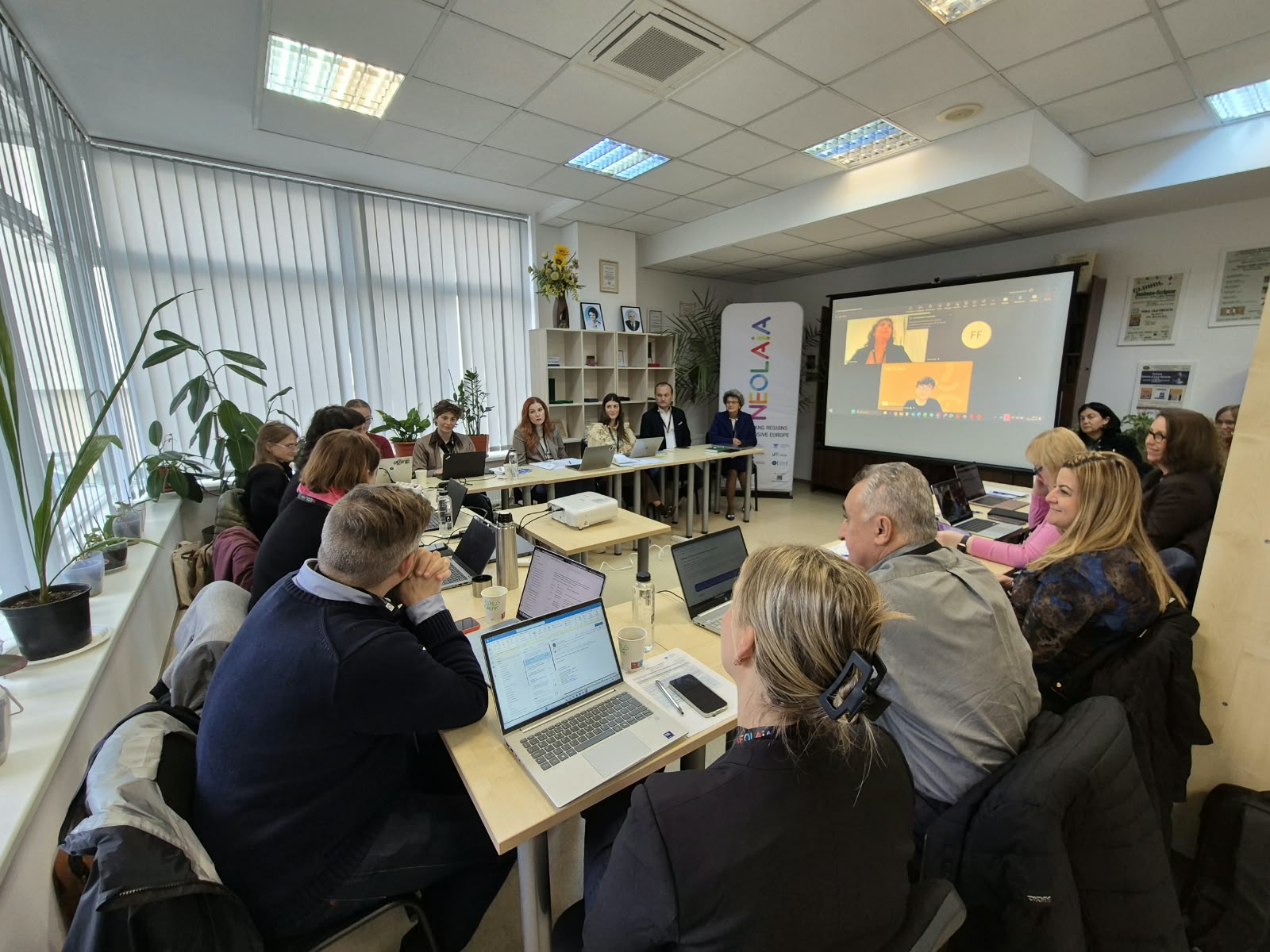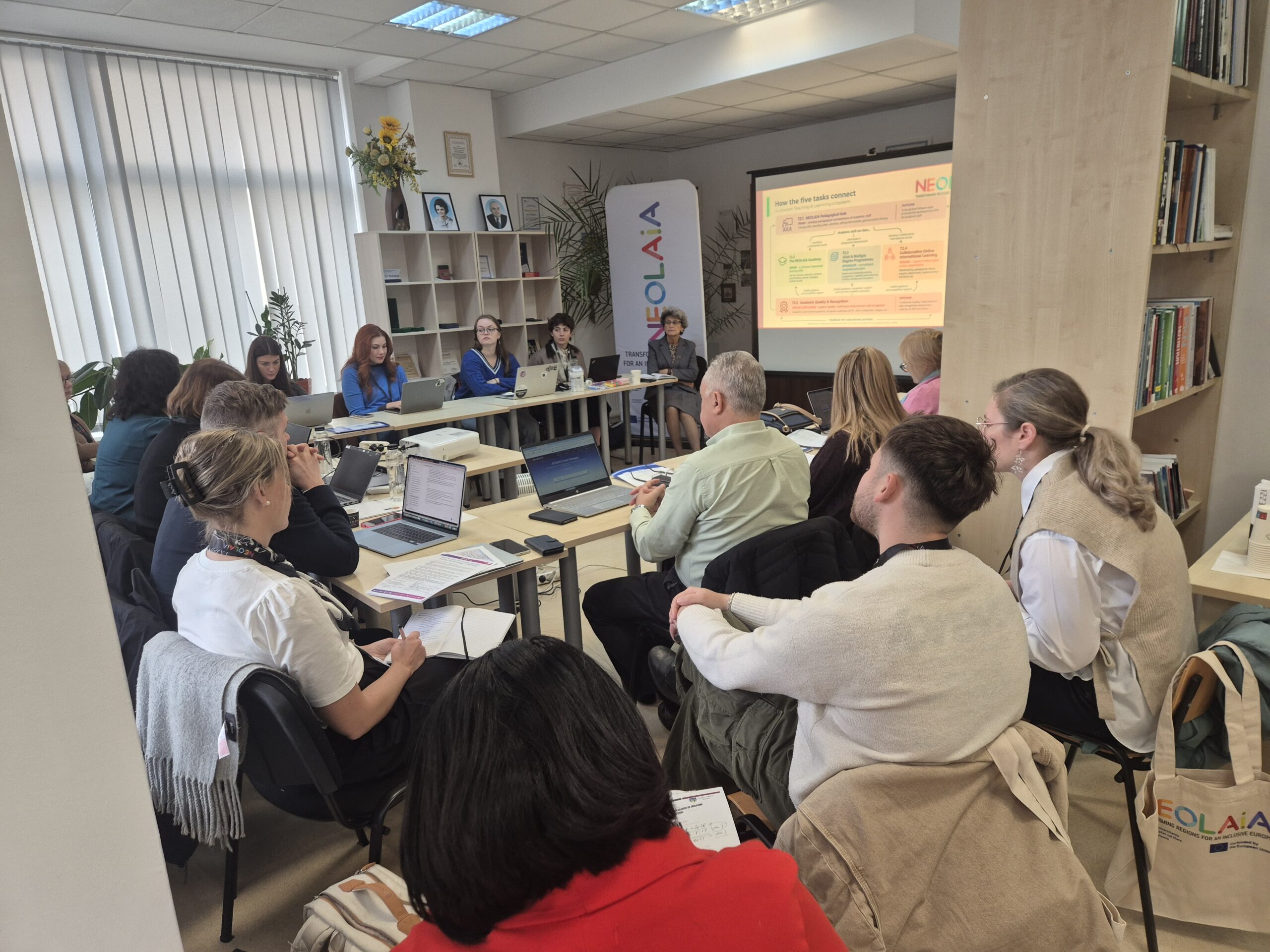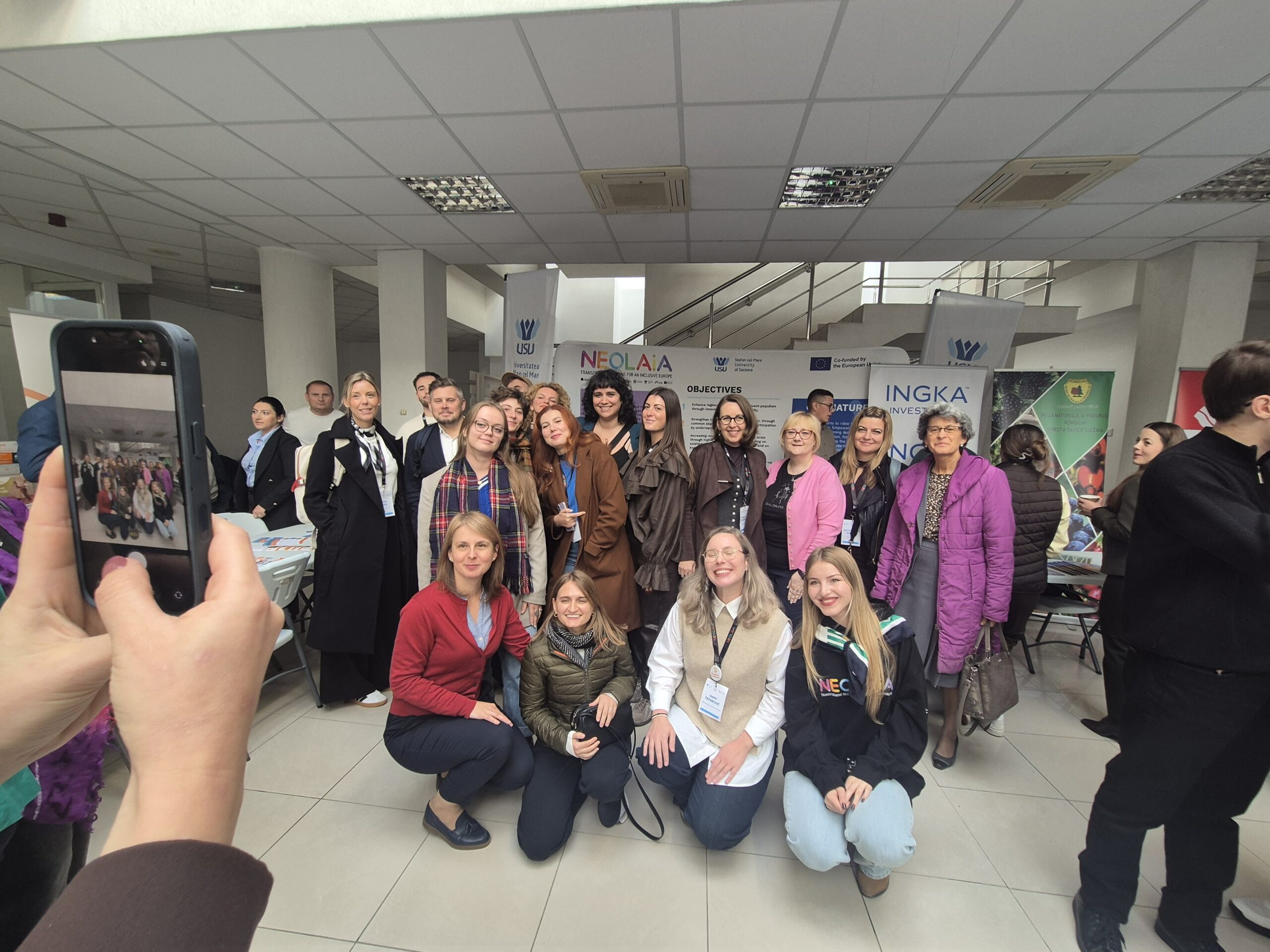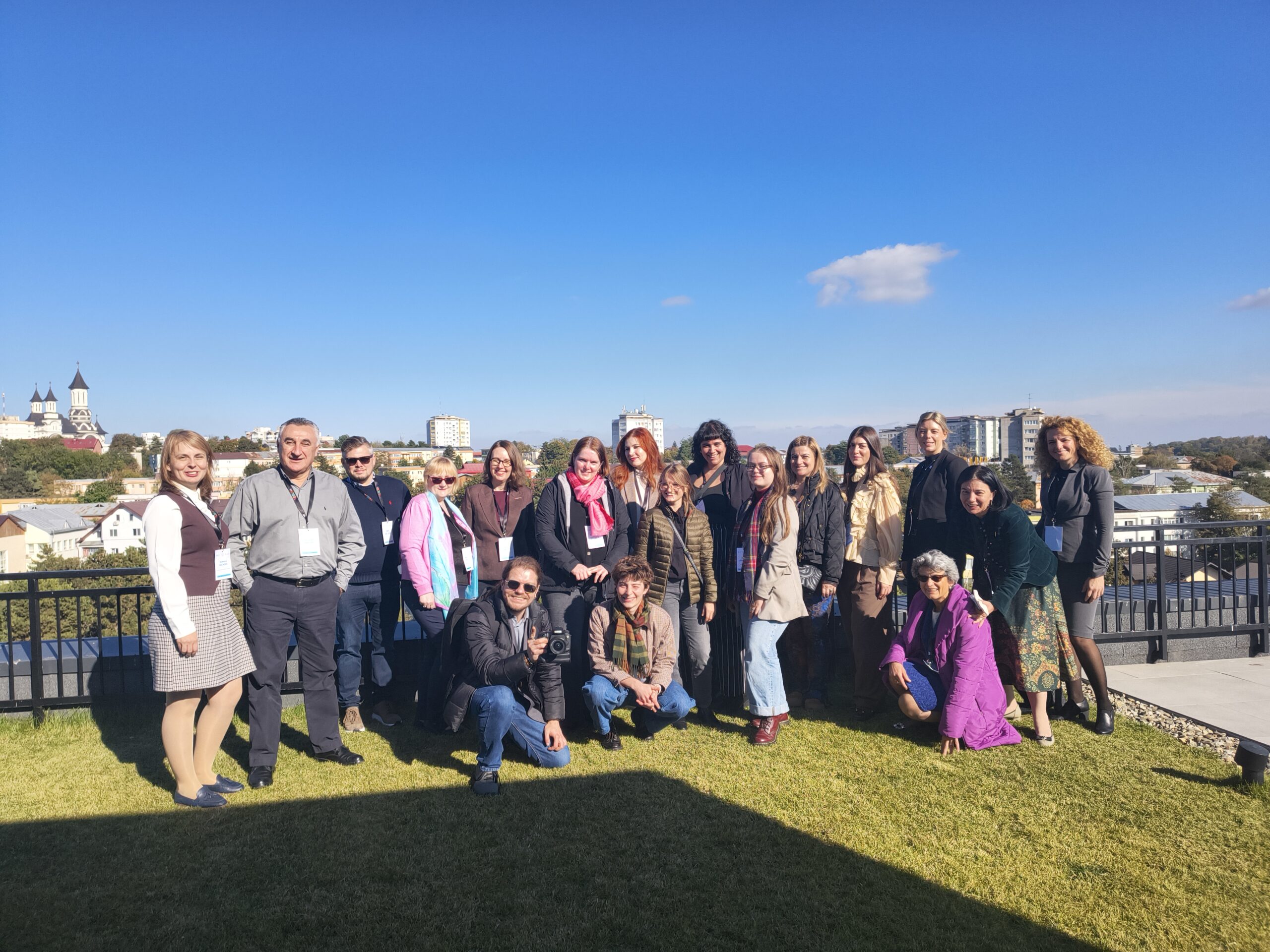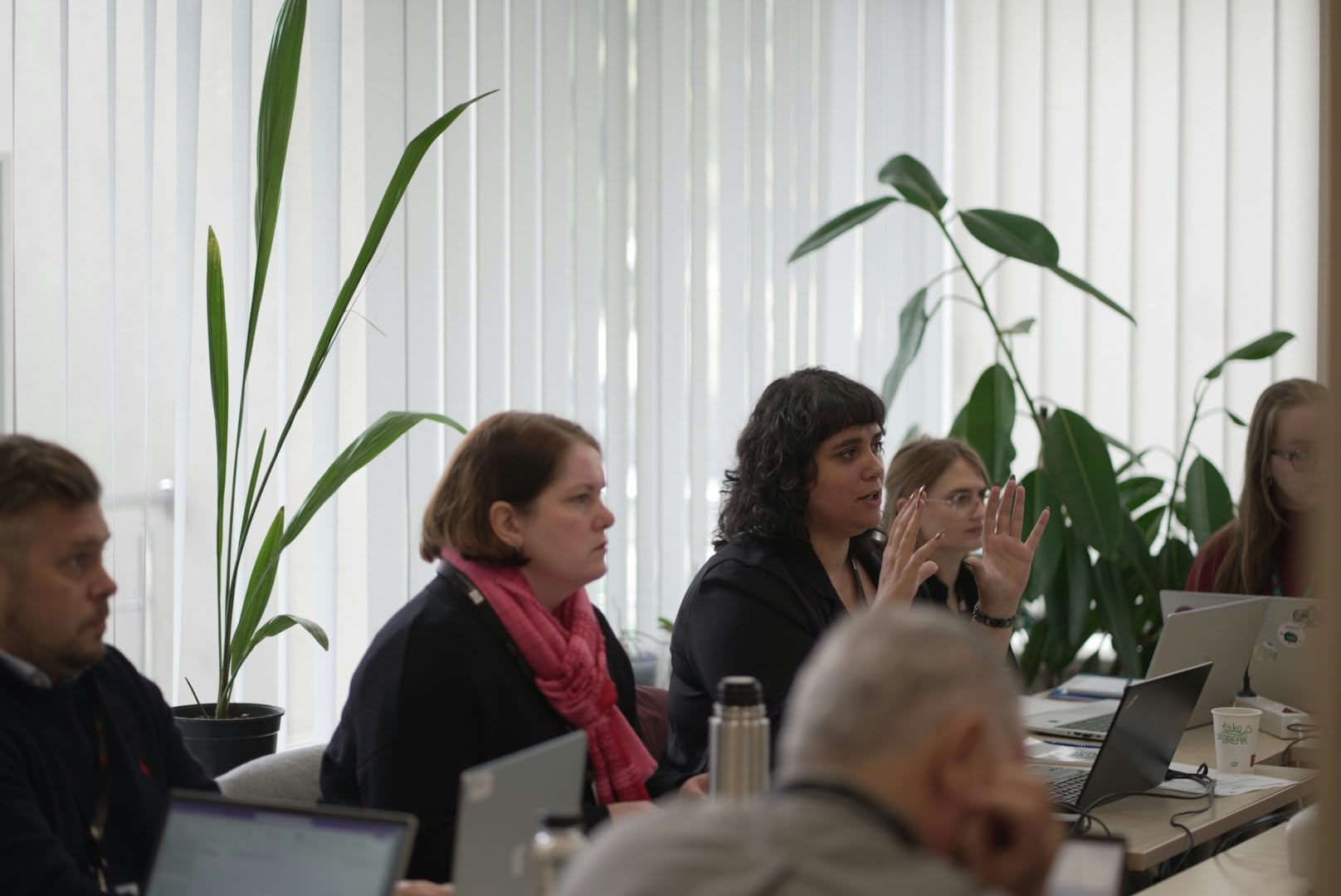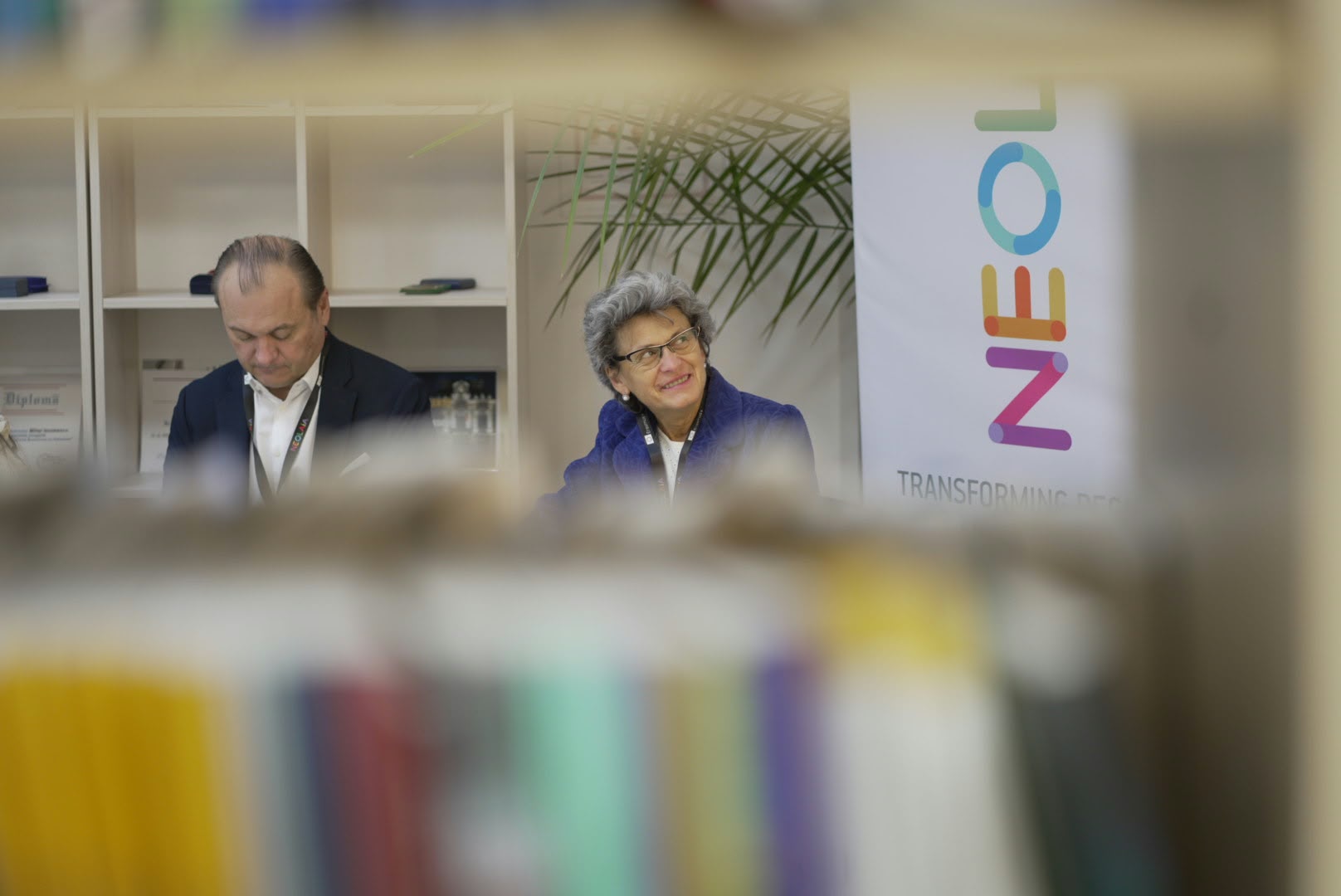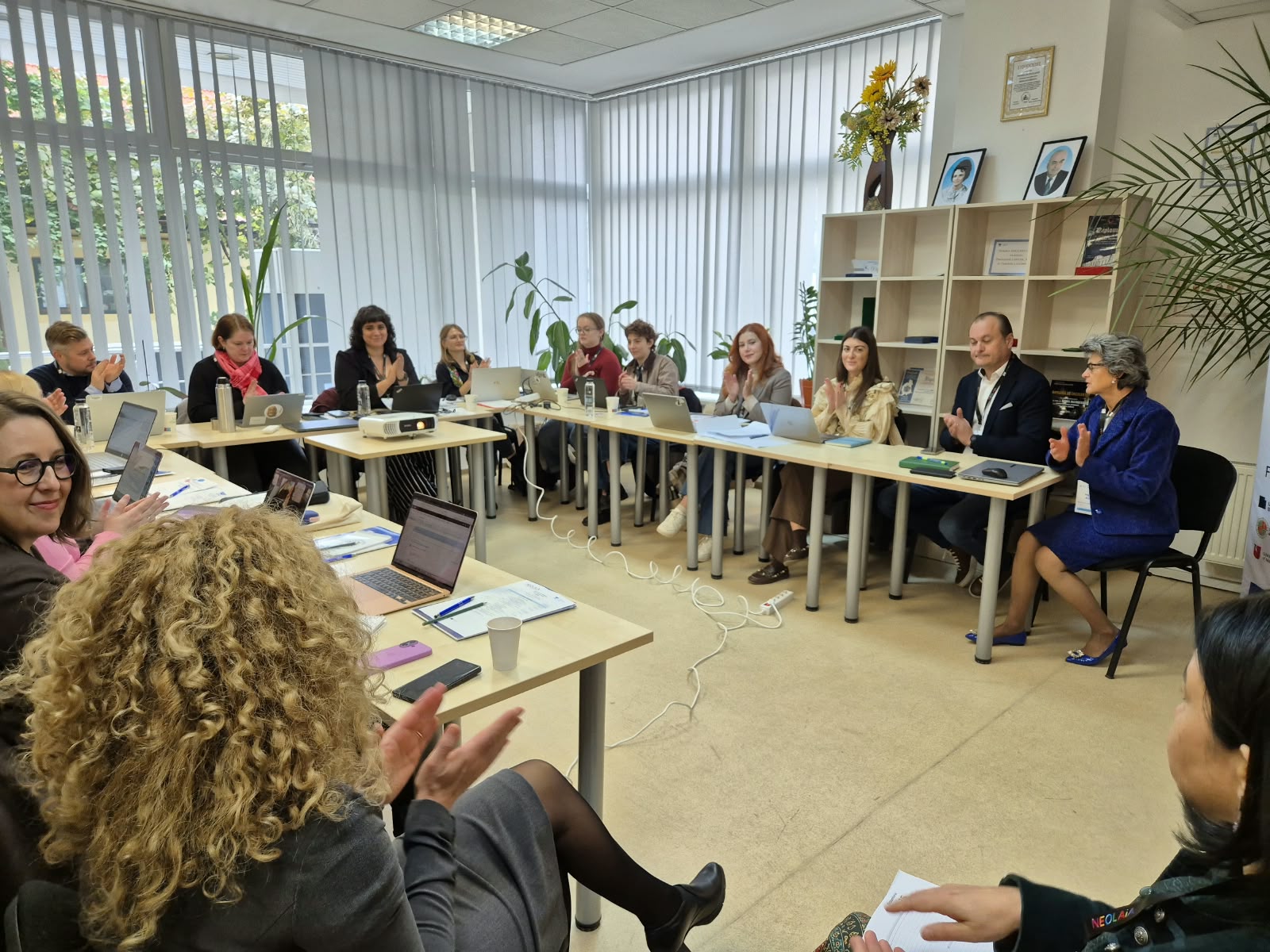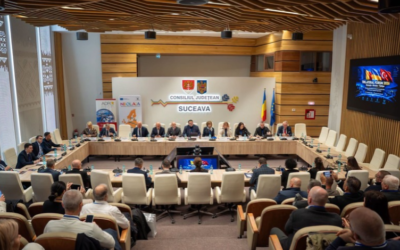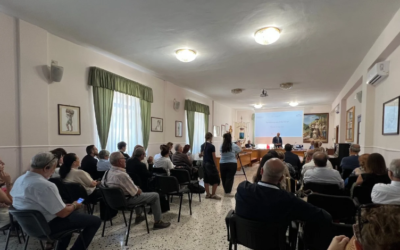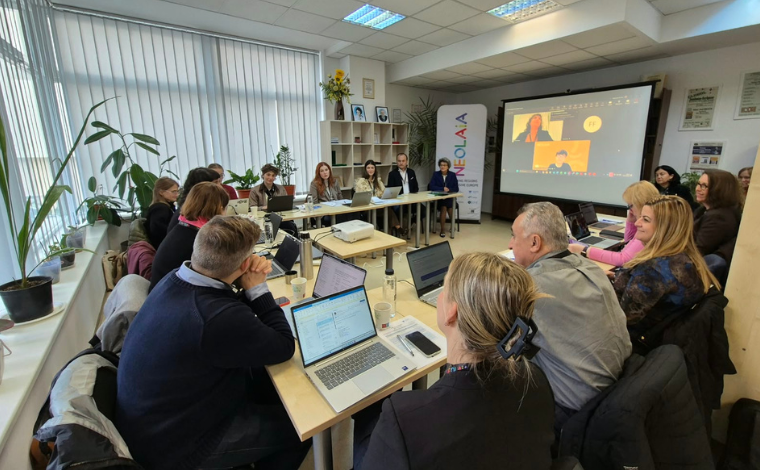
These questions brought colleagues from across the NEOLAiA European University Alliance together at Ștefan cel Mare University of Suceava, Romania, on 14–15 October 2026.
During the two-day WP2 Improving Teaching and Learning meeting, representatives reviewed existing educational initiatives, shared experiences and discussed how to strengthen cooperation in the coming years.
Making NEOLAiA Opportunities Work Better
NEOLAiA has developed several initiatives that connect students and staff across its partner universities. However, creating educational opportunities is only part of the work. Universities also need to make sure people know about them, can participate and find them useful.
Drawing on recommendations from the project’s mid-term review, WP2 representatives examined the progress of the NEOLAiA Pedagogical Hub, Focus Academy courses, joint degree programmes and other collaborative educational activities.
During the workshops, colleagues shared experiences from their institutions and discussed practical challenges. How can NEOLAiA reach more students and staff? What prevents people from taking part? Which approaches have worked well at individual universities and could benefit others?
These exchanges helped partners identify possible improvements, from making educational opportunities easier to access to strengthening cooperation between institutions.
Beyond Participation Numbers: What Do Students and Staff Actually Gain?
Participation figures tell us how many people attend a course or join an international activity. They reveal much less about what happens afterwards.
A student might develop skills they later use in their studies or career. A teacher might discover a different approach to teaching and introduce it in their own classroom. Colleagues from different universities might continue working together long after an activity ends.
Understanding these outcomes was another important part of the Suceava meeting.
In a dedicated workshop, WP2 representatives discussed how to assess the results and wider impact of NEOLAiA’s teaching and learning activities. They explored learning outcomes, the reuse of educational resources, changes in teaching practices and the influence of international cooperation on universities.
Participants also considered how to gather more consistent feedback and evidence across WP2 activities.
The aim is to understand not only how many opportunities NEOLAiA offers, but also what participants learn, how they use that knowledge and where improvements could make a difference.
Planning the Next Phase of Teaching and Learning Cooperation
On the second day, partners turned their attention to the proposed NEOLAiA Bridge, which aims to build on the current project’s achievements and explore the next phase of cooperation.
The workshops focused on how existing initiatives could develop further and what new opportunities might be possible across the Alliance.
Discussions covered the future of the Pedagogical Hub, shared learning opportunities through the NEOLAiA Academy, joint educational programmes, Collaborative Online International Learning (COIL), lifelong learning and a common catalogue of educational opportunities.
Partners also considered what it would take to put these ideas into practice. They discussed the expertise available at their universities, the resources future activities might require and how different initiatives could complement one another.
These exchanges will contribute to the preparation of the Bridge proposal. The ideas discussed in Suceava remain possible directions for future cooperation rather than confirmed new programmes.
Discovering Suceava and Connecting Beyond the Meeting Room
The programme also gave participants an opportunity to discover more about their host university.
Colleagues from Ștefan cel Mare University of Suceava organised visits to the Faculty of Electrical Engineering and Computer Science and the Faculty of Psychology and Education Sciences. Participants also had a preview of the university’s new campus ahead of its forthcoming opening.
Between workshops and university visits, colleagues continued their conversations, exchanged experiences and learned more about one another’s institutions.
Such exchanges are especially useful in an Alliance that brings together nine universities with different academic environments and approaches to teaching and learning. They help colleagues understand the opportunities and challenges at partner institutions and find common ground for future activities.
The meeting also offered a welcome opportunity to strengthen the professional relationships behind NEOLAiA’s everyday cooperation.
From Discussions to Practical Improvements
The Suceava meeting gave WP2 partners an opportunity to review what they have achieved, identify areas that need attention and discuss priorities for the coming years.
The next steps will involve taking forward the improvements identified during the workshops and continuing work on the proposed NEOLAiA Bridge.
For students and staff, the value of this cooperation lies in the opportunities it creates: learning from colleagues in other countries, discovering different approaches and bringing new knowledge and experiences back to their own universities.
Making those opportunities more accessible and useful remains an important part of WP2’s work across NEOLAiA.